
Bugs and spiders in California
Pill bugs, Asian lady beetles and bold jumping spiders are the most-recorded species in California, and the list here is long, with dozens of species common or established. California also stands out for what is established: two widow species, a scorpion in the southeastern desert, and several ticks, one of them found only east of the Sierra. Argentine ants and European paper wasps are everyday visitors too.
Get advice if bitten
These are found in California. If you think one bit or stung you, call Poison Help at 1-800-222-1222; call 911 for trouble breathing or swelling.
Common in California
Established here or recorded often, most-recorded first.
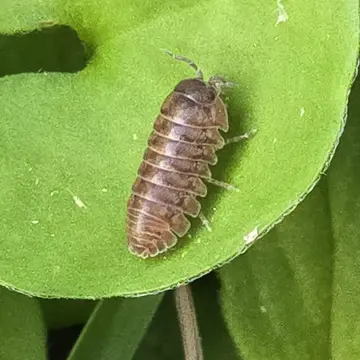 Pill bugHarmlessCommon · 26,616 records
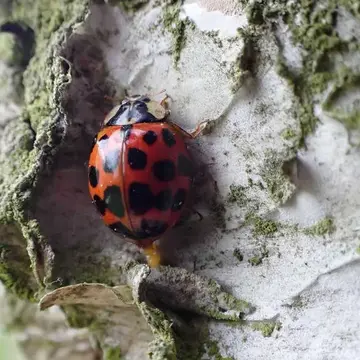 Asian lady beetleBe carefulCommon · 23,716 records
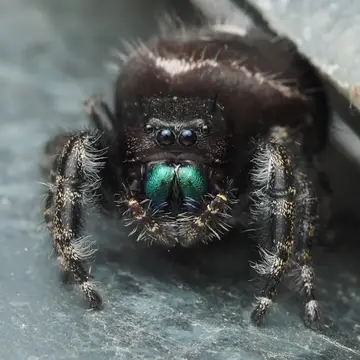 Bold jumping spiderHarmlessCommon · 13,964 records
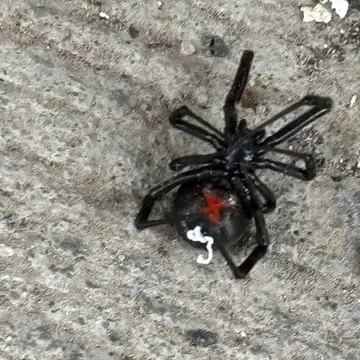 Western black widowGet adviceEstablished · 12,379 records
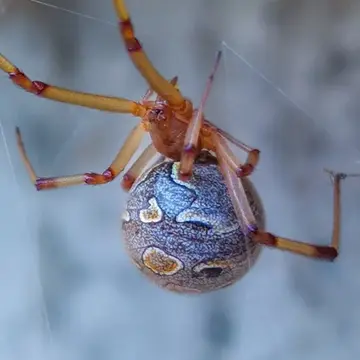 Brown widowGet adviceEstablished · 11,618 records
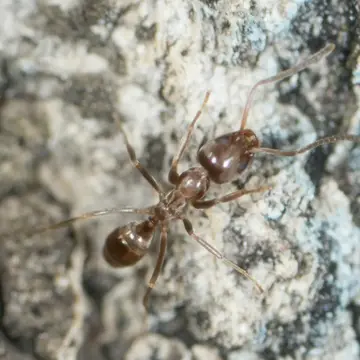 Argentine antHarmlessCommon · 10,637 records
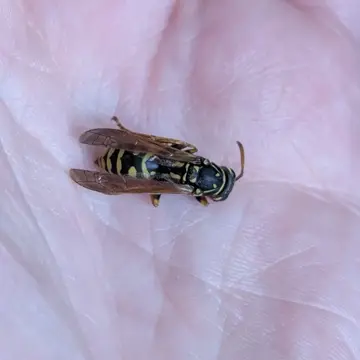 European paper waspBe carefulCommon · 7,969 records
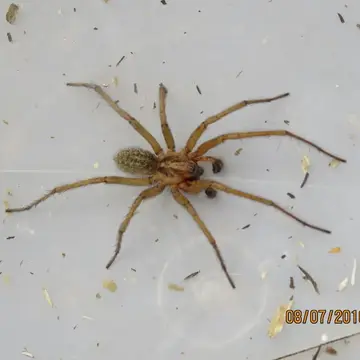
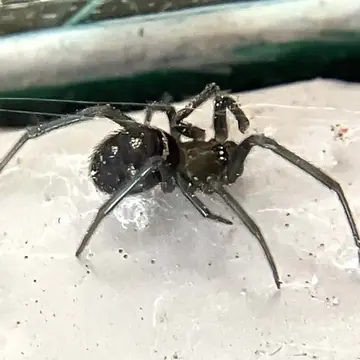 False black widowBe carefulCommon · 6,262 records
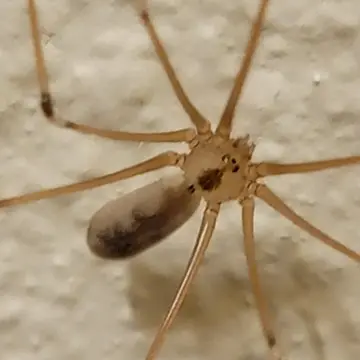 Long-bodied cellar spiderHarmlessCommon · 5,779 records
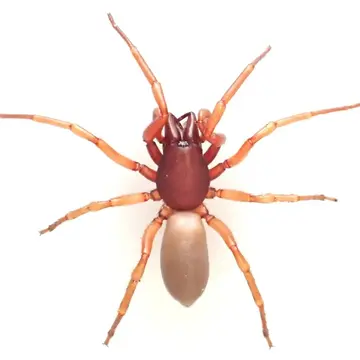 Woodlouse spiderHarmlessCommon · 5,117 records
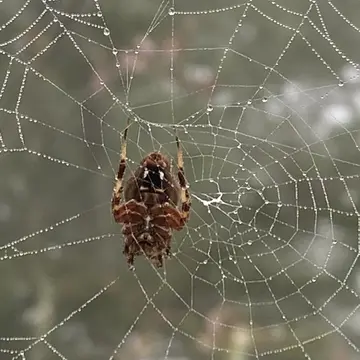 Spotted orbweaverHarmlessCommon · 4,925 records
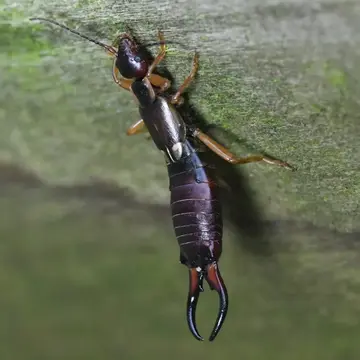 European earwigHarmlessCommon · 4,826 records
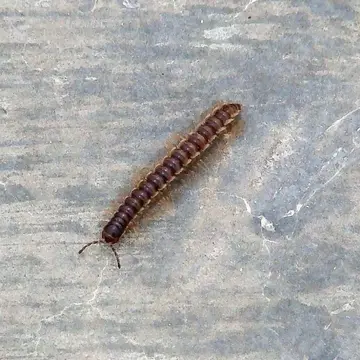 Greenhouse millipedeHarmlessCommon · 4,340 records
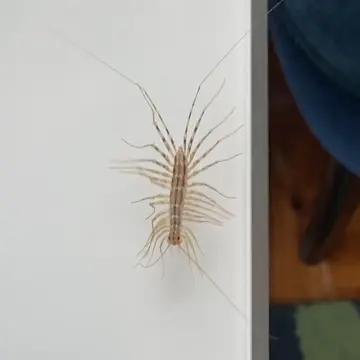 House centipedeBe carefulCommon · 3,261 records
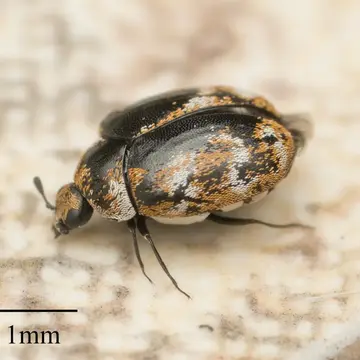 Varied carpet beetleHarmlessCommon · 2,876 records
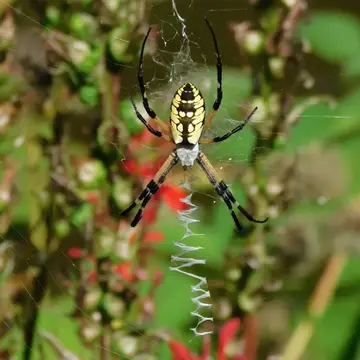 Yellow garden spiderBe carefulCommon · 2,810 records
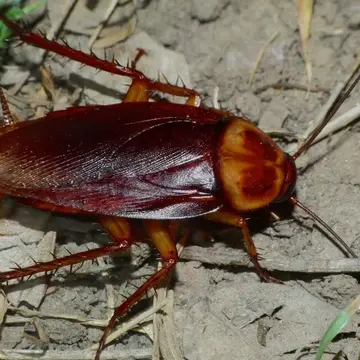 American cockroachBe carefulCommon · 2,734 records
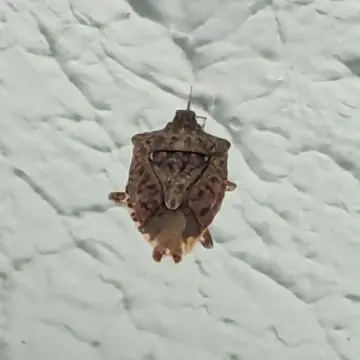 Brown marmorated stink bugHarmlessCommon · 2,545 records
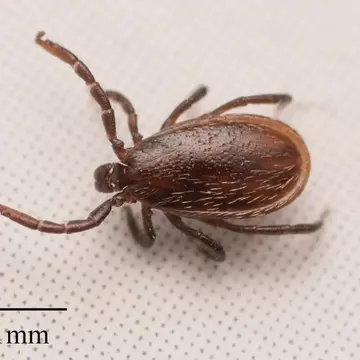 Western blacklegged tickGet adviceEstablished · 2,380 records
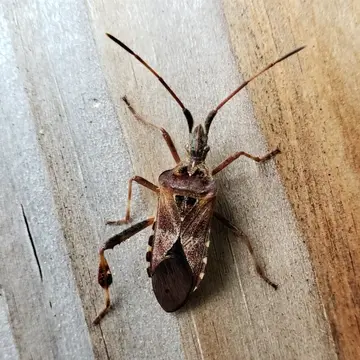 Western conifer seed bugHarmlessCommon · 1,613 records
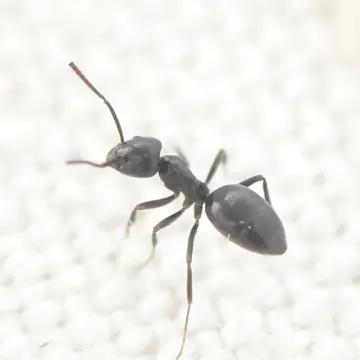 Odorous house antHarmlessCommon · 1,412 records
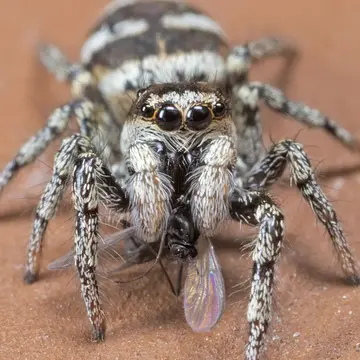 Zebra jumping spiderHarmlessCommon · 1,383 records
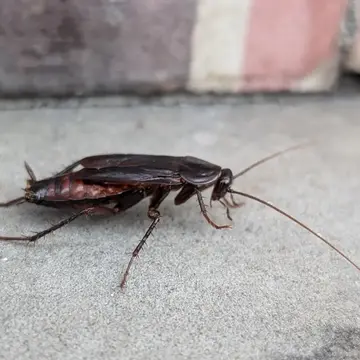 Oriental cockroachBe carefulCommon · 1,274 records
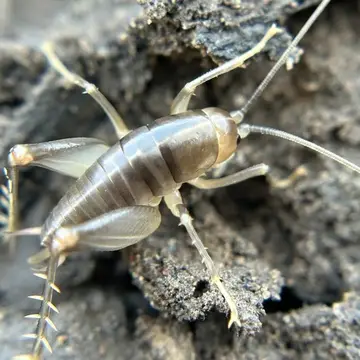 Camel crickets (native)HarmlessCommon · 1,204 records
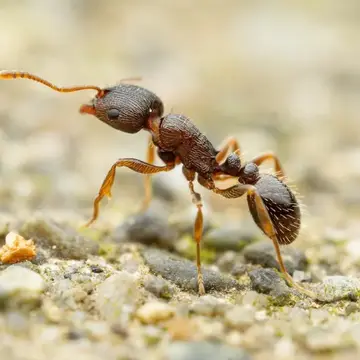 Pavement antHarmlessCommon · 796 records
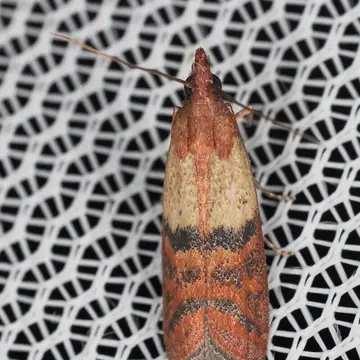 Indianmeal mothHarmlessCommon · 748 records
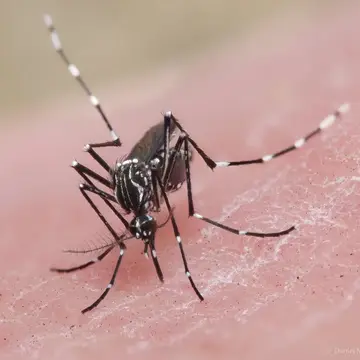 Yellow fever mosquitoBe carefulEstablished · 718 records
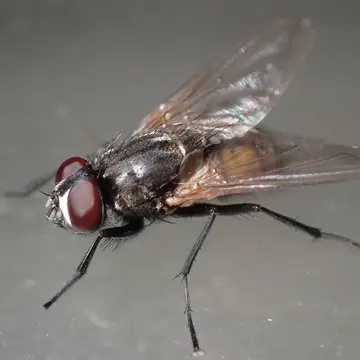 House flyBe carefulCommon · 266 records
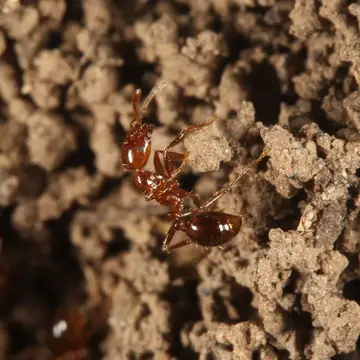 Red imported fire antBe carefulEstablished · 240 records
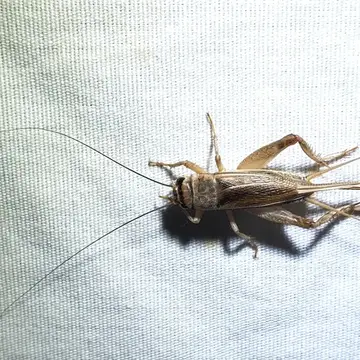 House cricketHarmlessCommon · 237 records
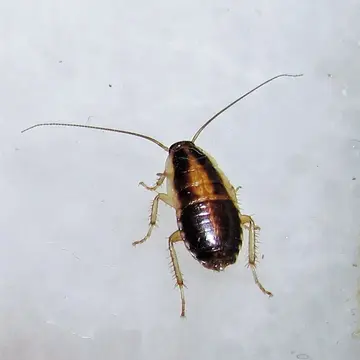 German cockroachBe carefulCommon · 223 records
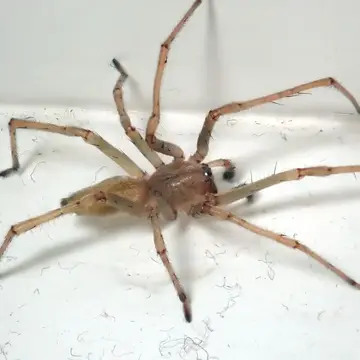 Northern yellow sac spiderBe carefulCommon · 221 records
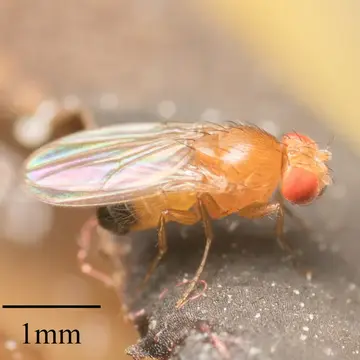 Fruit flyHarmlessCommon · 129 records
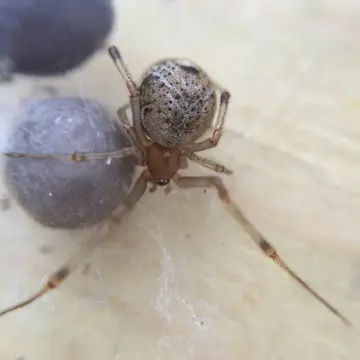 Common house spiderHarmlessCommon · 120 records
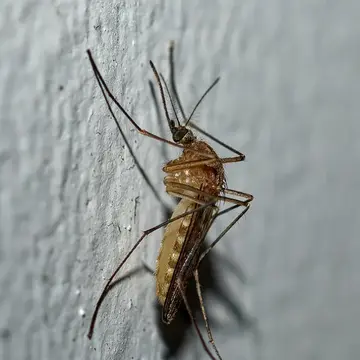 House mosquitoBe carefulEstablished · 102 records
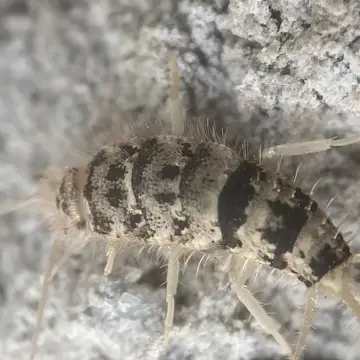 FirebratHarmlessCommon · 101 records
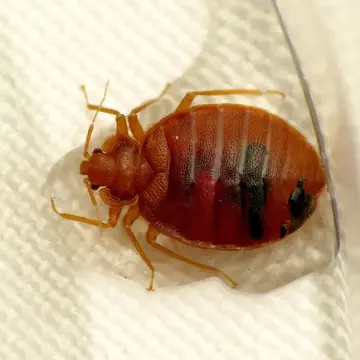 Bed bugBe carefulCommon · 98 records
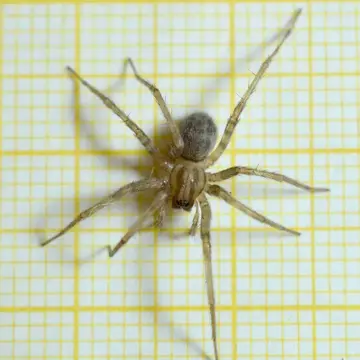 Barn funnel weaverHarmlessCommon · 60 records
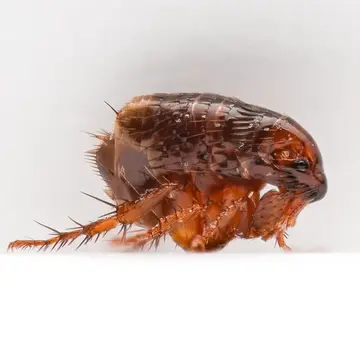 Cat fleaBe carefulCommon · 37 records
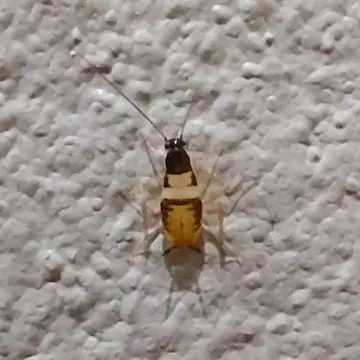 Brown-banded cockroachBe carefulCommon · 35 records
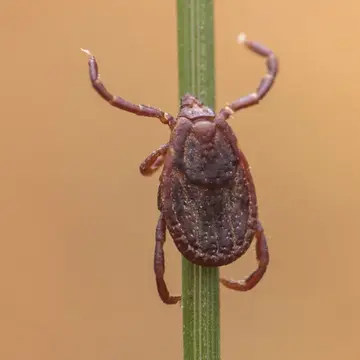 Brown dog tickGet adviceEstablished · 27 records
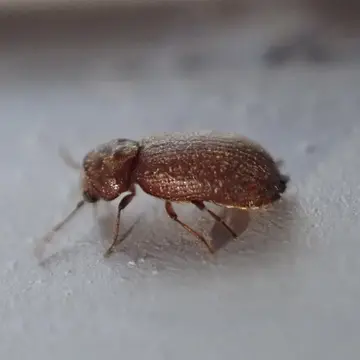 Drugstore beetleHarmlessCommon · 27 records
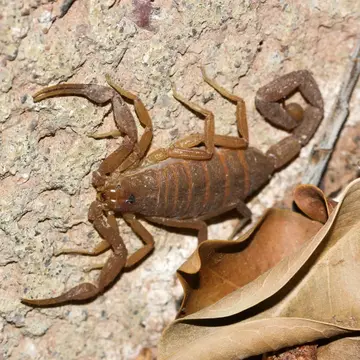 Arizona bark scorpionGet adviceEstablished · 22 records
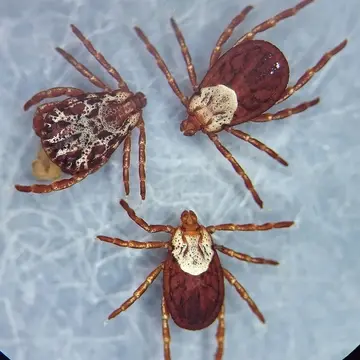 Rocky Mountain wood tickGet adviceEstablished (east of the Sierra) · 8 records
What to watch for in California
Two widows are established in California. The western black widow turns up in garages and crawl spaces, where adults and young can overwinter. The brown widow is mainly a spider of the urban south, and its bites are usually much milder, though it is easy to confuse with a young black widow. In the southeastern desert the Arizona bark scorpion is established as well. A sting is very painful and can be dangerous for young children and older adults, so call Poison Help at 1-800-222-1222.
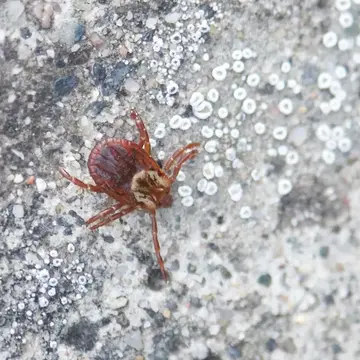
Several ticks are established here. The western blacklegged tick is established in nearly every county and can spread Lyme disease and anaplasmosis. The Rocky Mountain wood tick lives east of the Sierra. The brown dog tick mostly lives indoors with dogs and can breed inside. Remove any attached tick promptly. American dog tick records exist, but it is not known to be established in California.
Through the year
- Spring
- Pill bugs and rough sowbugs show up after rain, and western blacklegged tick nymphs are most active, peaking in mid to late spring in northern California.
- Summer
- Argentine ants, American cockroaches and mosquitoes are most noticeable, and brown widows become easier to spot from summer into fall.
- Fall
- Asian lady beetles move in during October and November alongside brown marmorated stink bugs and western conifer seed bugs, while spotted orbweavers leave big webs up in daylight.
- Winter
- Western black widows can overwinter in garages and crawl spaces, house centipedes get noticed more often indoors, and Indianmeal moths are most often seen from November through February.
Seen now and then
Recorded a few times; often brought in on plants, firewood or luggage.
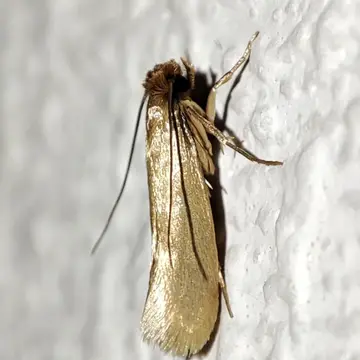 Webbing clothes mothHarmlessOccasional · 14 records
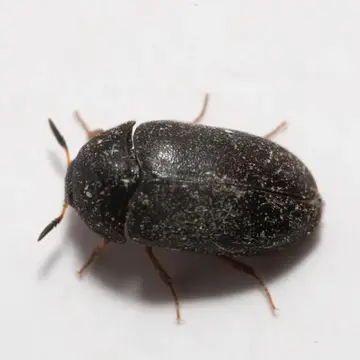 Black carpet beetleHarmlessOccasional · 13 records
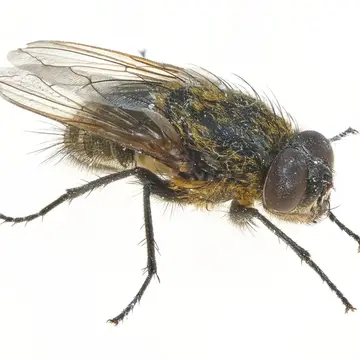 Cluster flyHarmlessOccasional · 8 records
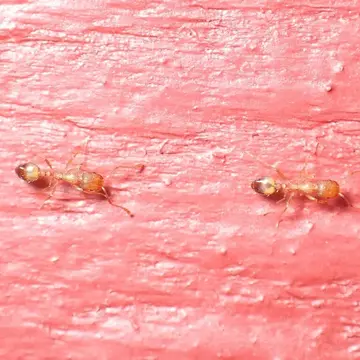 Pharaoh antBe carefulOccasional · 7 records
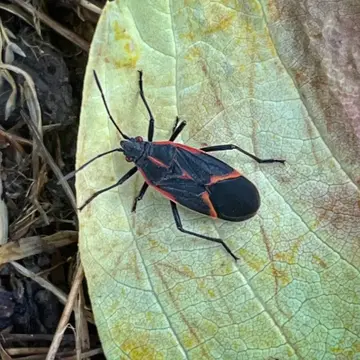 Boxelder bugHarmlessOccasional · 6 records
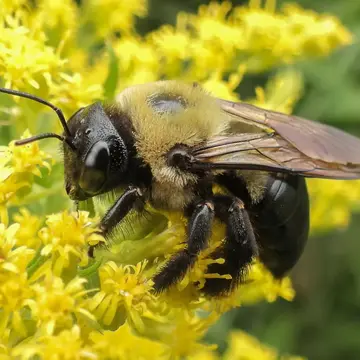 Eastern carpenter beeBe carefulOccasional · 4 records
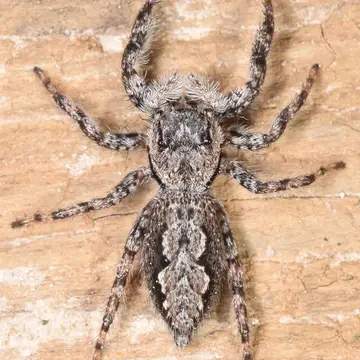 Tan jumping spiderHarmlessOccasional · 3 records
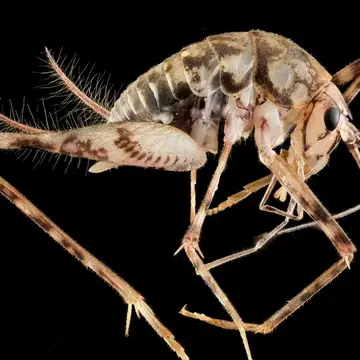 Greenhouse camel cricketHarmlessOccasional · 3 records
Recorded, not established
Range maps don't place these here, but people have recorded them. Usually hitchhikers.
Lists come from research-grade iNaturalist sightings (California: 2,625,310 arthropod records) and, for dangerous species, published range maps. A species with few records may be a hitchhiker. Counts pulled Oct 18, 2026.