
Camel crickets
Greenhouse camel cricket
Greenhouse camel crickets look creepy and jump at you, but they are harmless to people; they can nibble stored fabrics and leave dark droppings.
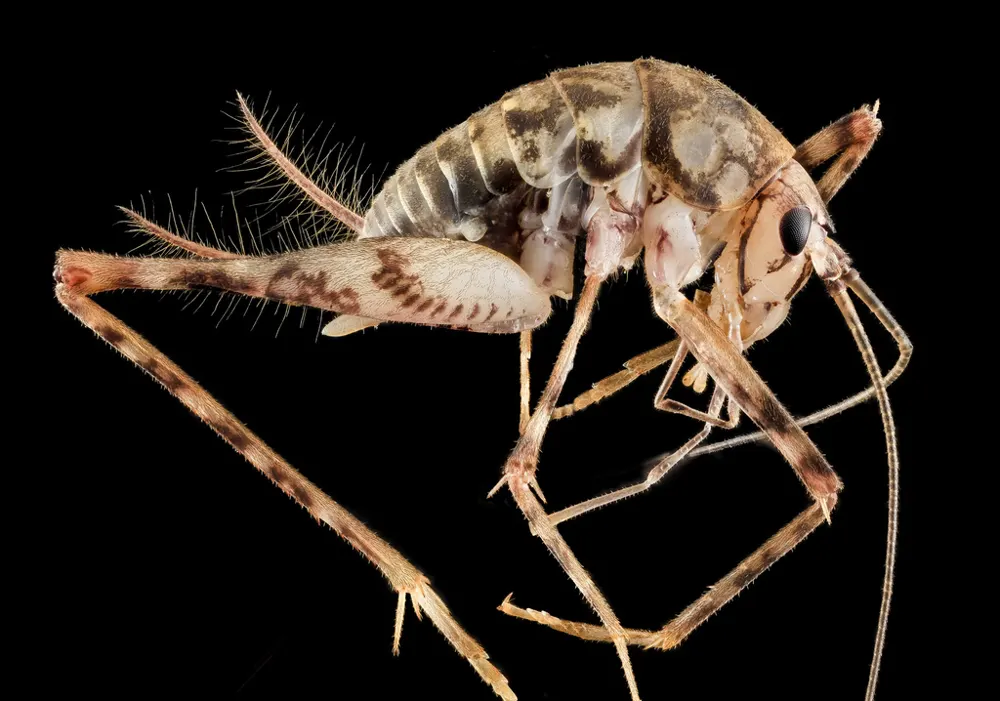
Check these features
- Strongly humped back when seen from the side
- No wings, so it never chirps
- Very long, thin antennae and long, spidery back legs used for big jumps
- Pale to dark brown, often with darker brown patches toward the rear of the back
- Usually found in groups in damp basements, crawl spaces and garages
Bites and stings
Does not bite people.
What to do
- Sweep or vacuum it up, or catch it under a cup and put it outside; it may jump toward you, but this is a panic jump, not an attack.
- Set sticky traps along basement walls, in corners and behind appliances; they catch camel crickets well.
- Run a dehumidifier or fan in the basement or crawl space and fix leaks, since dryness is the most effective fix.
- Store clothing, linens and cardboard boxes off the floor in sealed plastic bins.
Look-alikes
Why it came inside
Greenhouse camel crickets need cool, damp, dark places, so they move into basements, crawl spaces, garages and laundry rooms through foundation cracks and gaps under doors and around basement windows, especially when it is cold, very hot and dry, or after heavy rain.
Keep it out
- Caulk cracks in the foundation and seal gaps around basement windows, pipes and wires.
- Install door sweeps and weatherstripping on basement and garage doors.
- Keep mulch, firewood, leaf piles and stones away from the foundation.
- Keep basements and crawl spaces dry and well ventilated.
What helps
Links go to Amazon search results so you can compare current options. As an Amazon Associate I earn from qualifying purchases. Always follow the product label.
Flat glue traps set along walls and in corners show what is moving through and where. Place them where pets and children can't reach.
See options on AmazonKeeping a basement at about 50 percent humidity or lower makes it less welcoming to the bugs that need damp air.
See options on AmazonSilicone or siliconized acrylic caulk closes cracks around windows, pipes and baseboards. Bigger gaps need foam backer rod or expanding foam first.
See options on AmazonCloses the gap under an exterior door. If you can see daylight under the door, bugs can get in.
See options on AmazonSeals the gaps around doors and windows that let in drafts and bugs alike.
See options on AmazonLets you remove bugs, webs and egg sacs without touching them. Empty the bag or canister outside right away.
See options on AmazonSources
- Missouri Department of Conservation (field guide: Camel Crickets)
- NC State Extension
- University of Minnesota Extension
- PeerJ (Epps et al. 2014, NC State University study of camel crickets in US homes)
- Texas Invasive Species Institute, Sam Houston State University (TexasInvasives.org)
- Bug of the Week, Michael J. Raupp, University of Maryland Department of Entomology
- Science News Explores (reporting on the NC State study)
Checked October 18, 2026. Rating backed by 3 sources. How we rate danger.
Camel crickets (native)
Native camel crickets are harmless to people; they are a basement nuisance that may nibble stored fabric and paper.
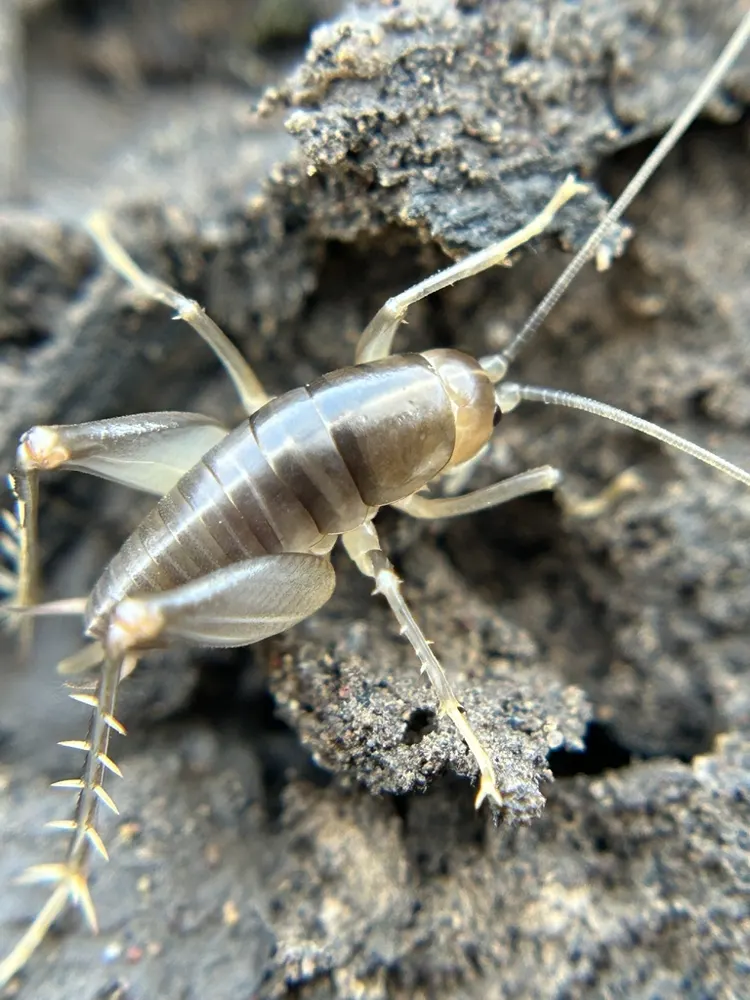
Check these features
- Humped back, with the head tucked down between the front legs
- No wings and silent (never chirps)
- Long, thin antennae often longer than the body and thick, powerful back legs
- Light tan to dark brown, sometimes with a banded or mottled pattern
- Females have a long, blade-like egg-laying tube at the rear
Bites and stings
Does not bite people.
What to do
- Sweep it up, vacuum it, or catch it under a cup and put it outside; jumping toward you is a startle reaction.
- Set sticky traps along basement and garage walls to catch others.
- Dry out damp areas with a dehumidifier or fan and fix leaks.
- Keep stored clothing and linens off the floor in sealed bins.
Look-alikes
Why it came inside
Native camel crickets live outdoors under logs, stones, leaf piles and in caves and animal burrows, and wander into damp, dark basements, crawl spaces and garages for shelter, especially in fall or during hot, dry spells.
Keep it out
- Seal cracks in the foundation and gaps around doors, basement windows, vents and pipes.
- Add door sweeps and weatherstripping to basement and garage doors.
- Move woodpiles, stones, boards and leaf piles away from the house.
- Keep crawl spaces and basements ventilated and dry.
What helps
Links go to Amazon search results so you can compare current options. As an Amazon Associate I earn from qualifying purchases. Always follow the product label.
Flat glue traps set along walls and in corners show what is moving through and where. Place them where pets and children can't reach.
See options on AmazonKeeping a basement at about 50 percent humidity or lower makes it less welcoming to the bugs that need damp air.
See options on AmazonSilicone or siliconized acrylic caulk closes cracks around windows, pipes and baseboards. Bigger gaps need foam backer rod or expanding foam first.
See options on AmazonCloses the gap under an exterior door. If you can see daylight under the door, bugs can get in.
See options on AmazonSeals the gaps around doors and windows that let in drafts and bugs alike.
See options on AmazonLets you remove bugs, webs and egg sacs without touching them. Empty the bag or canister outside right away.
See options on AmazonSources
- Missouri Department of Conservation (field guide: Camel Crickets)
- Cornell Cooperative Extension of Nassau County
- University of Minnesota Extension
- University of Wyoming Entomology
- Clemson Cooperative Extension Home & Garden Information Center
- University of Missouri Extension
- PeerJ (Epps et al. 2014, NC State University)
Checked October 18, 2026. Rating backed by 3 sources. How we rate danger.