
Bugs and spiders in South Carolina
The most-recorded house bugs and spiders in South Carolina are Asian lady beetles, eastern carpenter bees and yellow garden spiders, with brown marmorated stink bugs and red imported fire ants after them. What sets the state apart is its widows: southern black widow, northern black widow and brown widow are all established here, along with four ticks. The brown recluse has only a few records.
Get advice if bitten
These are found in South Carolina. If you think one bit or stung you, call Poison Help at 1-800-222-1222; call 911 for trouble breathing or swelling.
Common in South Carolina
Established here or recorded often, most-recorded first.
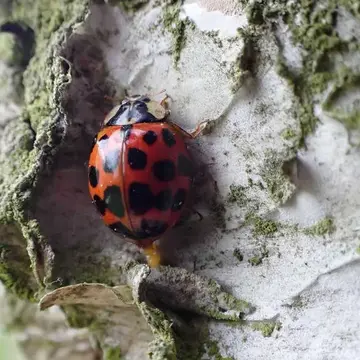 Asian lady beetleBe carefulCommon · 3,365 records
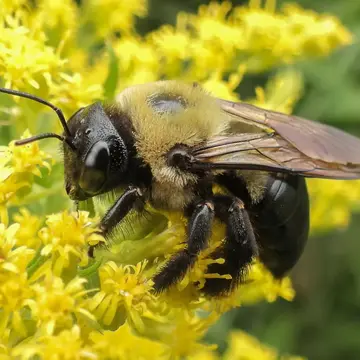 Eastern carpenter beeBe carefulCommon · 2,634 records
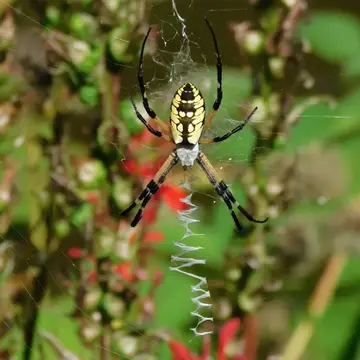 Yellow garden spiderBe carefulCommon · 2,609 records
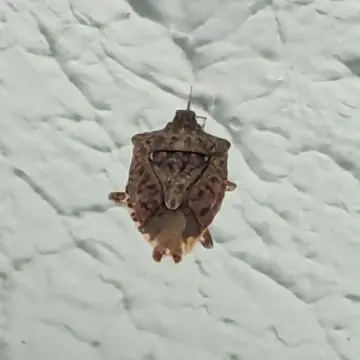 Brown marmorated stink bugHarmlessCommon · 1,016 records
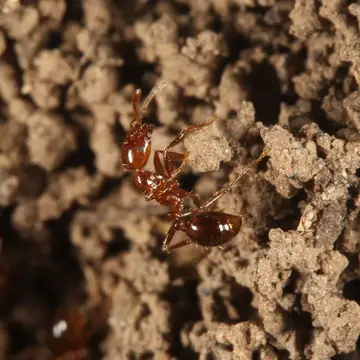 Red imported fire antBe carefulEstablished · 940 records
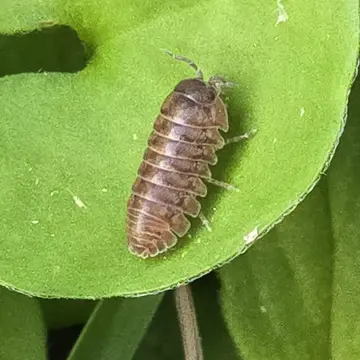 Pill bugHarmlessCommon · 898 records
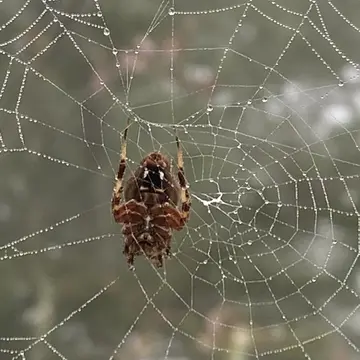 Spotted orbweaverHarmlessCommon · 722 records
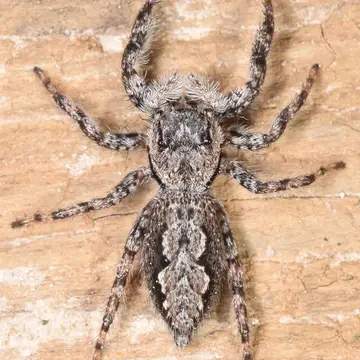 Tan jumping spiderHarmlessCommon · 641 records
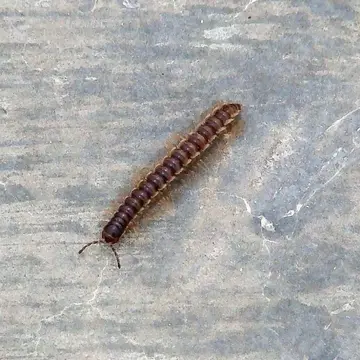 Greenhouse millipedeHarmlessCommon · 601 records
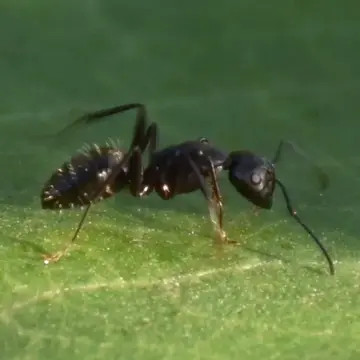 Black carpenter antHarmlessCommon · 546 records
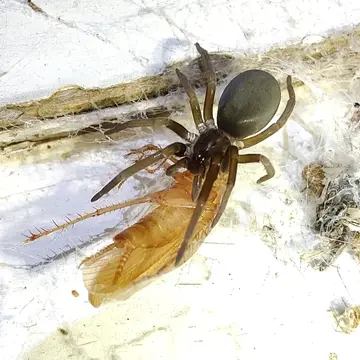 Southern house spiderHarmlessCommon · 542 records
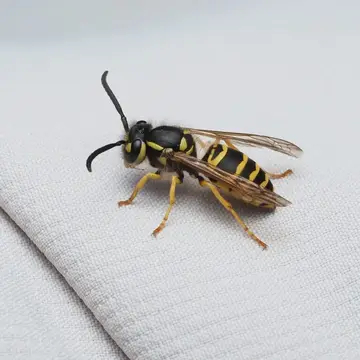 Eastern yellowjacketBe carefulCommon · 475 records
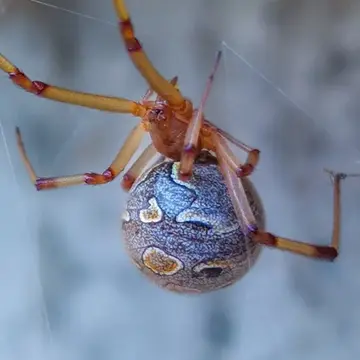 Brown widowGet adviceEstablished · 457 records
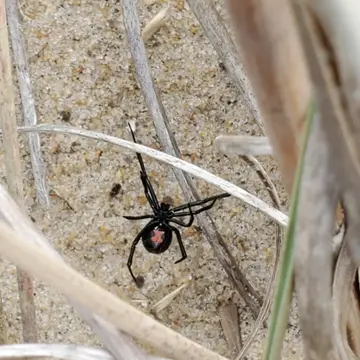 Southern black widowGet adviceEstablished · 449 records
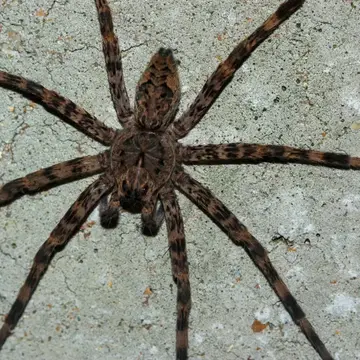 Dark fishing spiderBe carefulCommon · 408 records
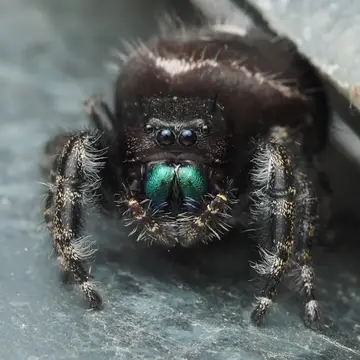 Bold jumping spiderHarmlessCommon · 295 records
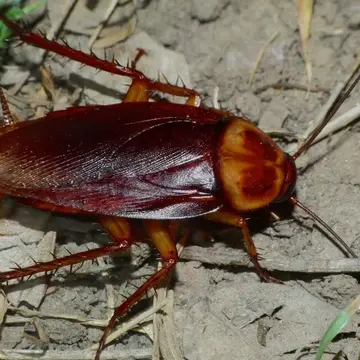 American cockroachBe carefulCommon · 231 records
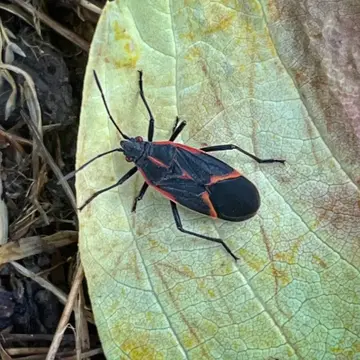 Boxelder bugHarmlessCommon · 212 records
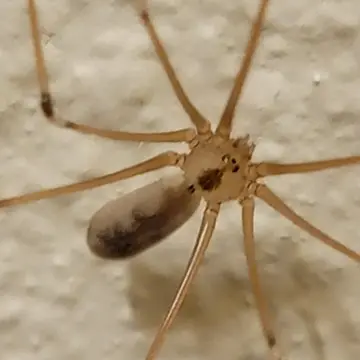 Long-bodied cellar spiderHarmlessCommon · 179 records
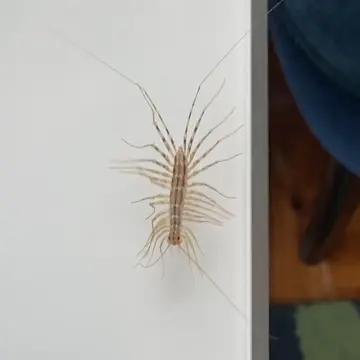 House centipedeBe carefulCommon · 172 records
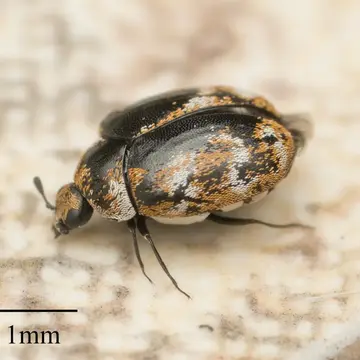 Varied carpet beetleHarmlessCommon · 170 records
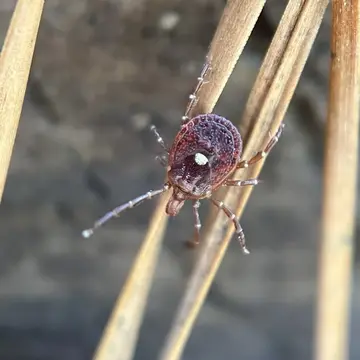 Lone star tickGet adviceEstablished · 130 records
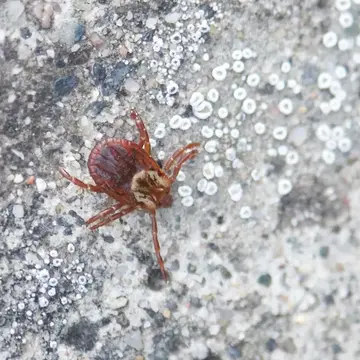 American dog tickGet adviceEstablished · 96 records
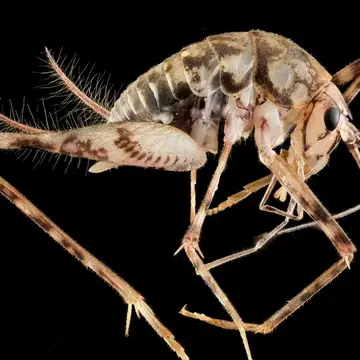 Greenhouse camel cricketHarmlessCommon · 86 records
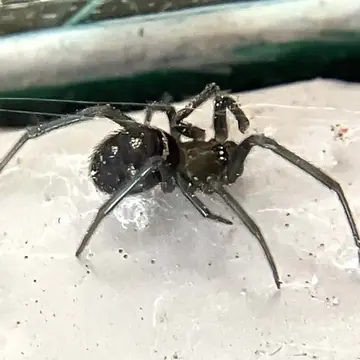 False black widowBe carefulCommon · 85 records
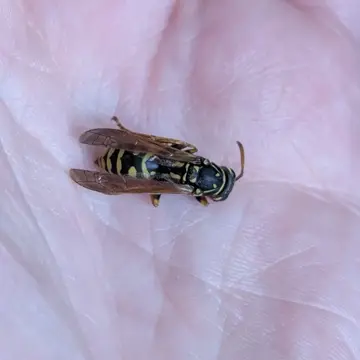 European paper waspBe carefulCommon · 73 records
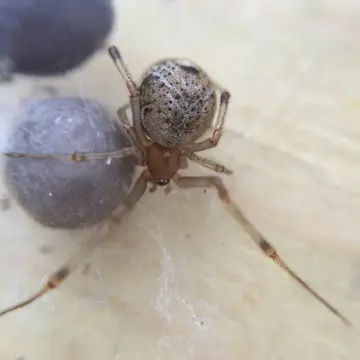 Common house spiderHarmlessCommon · 69 records
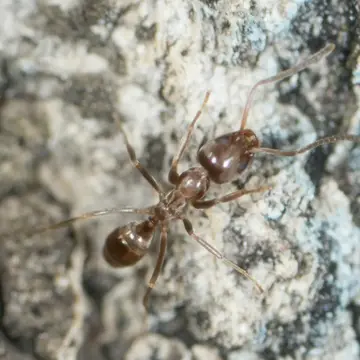 Argentine antHarmlessCommon · 61 records
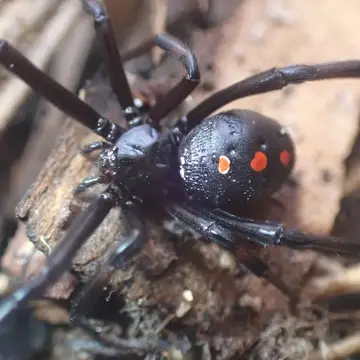 Northern black widowGet adviceEstablished · 56 records
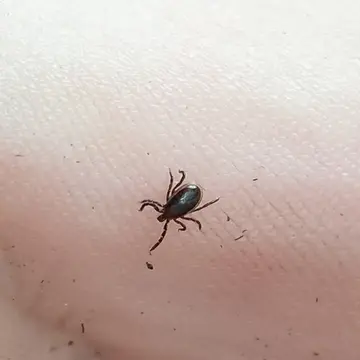 Blacklegged tickGet adviceEstablished · 50 records
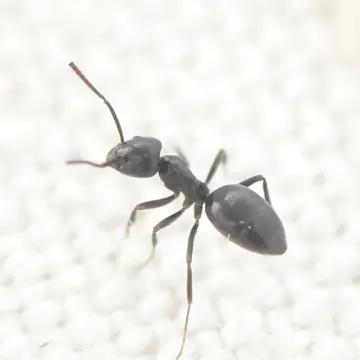 Odorous house antHarmlessCommon · 50 records
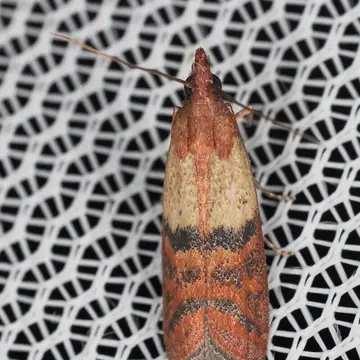 Indianmeal mothHarmlessCommon · 50 records
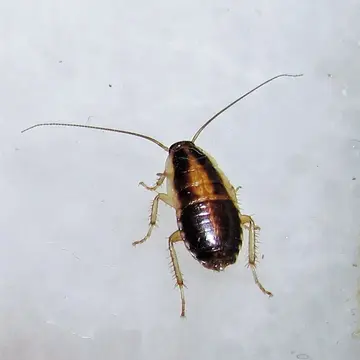 German cockroachBe carefulCommon · 47 records
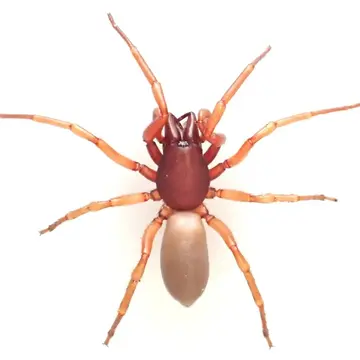 Woodlouse spiderHarmlessCommon · 38 records
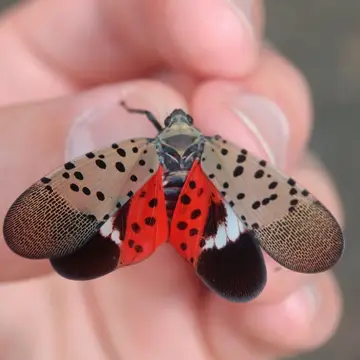 Spotted lanternflyHarmlessEstablished · 37 records
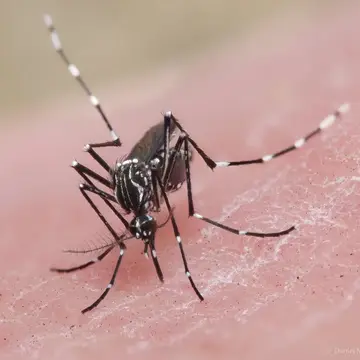 Yellow fever mosquitoBe carefulEstablished · 3 records
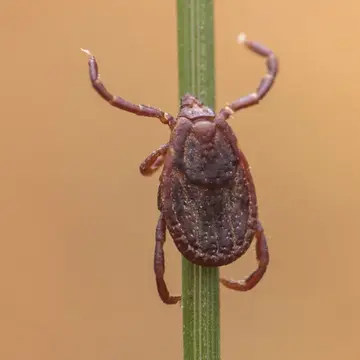 Brown dog tickGet adviceEstablished
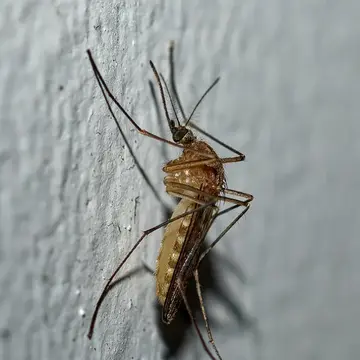 House mosquitoBe carefulEstablished
What to watch for in South Carolina
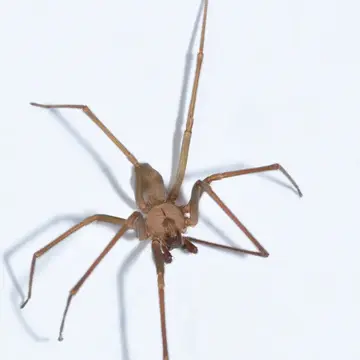
All three widows live in South Carolina. Brown widow and southern black widow are recorded about equally, and the northern black widow is recorded far less. Brown widow bites are usually much milder than black widow bites, but it is a true widow, so get medical advice after a bite that worries you. Poison Help (1-800-222-1222) is a good call for any bite you are concerned about. The brown recluse has a few records but is not known to live in the state.
The lone star, American dog, blacklegged and brown dog ticks are all established, and all can carry disease. Lone star tick bites are also linked to alpha-gal syndrome, a red-meat allergy. Red imported fire ants are established, and eastern yellowjackets are common, most noticed in late summer and fall. The yellow fever mosquito and house mosquito are established too.
Through the year
- Spring
- Eastern carpenter bees hover near nests in April through June, pill bugs come indoors after rain, and lone star tick adults are most active about April through June.
- Summer
- American cockroaches, greenhouse millipedes after heavy rain and growing yellowjacket nests are the usual summer sights, and mosquito season runs roughly June through October.
- Fall
- Yellow garden spiders and spotted orbweavers reach their peak, boxelder bugs move in from late August, and Asian lady beetles and stink bugs follow in October.
- Winter
- Brown widows can be found year-round in warm areas, house centipedes are noticed more, and brown marmorated stink bugs wake on warm winter days.
Seen now and then
Recorded a few times; often brought in on plants, firewood or luggage.
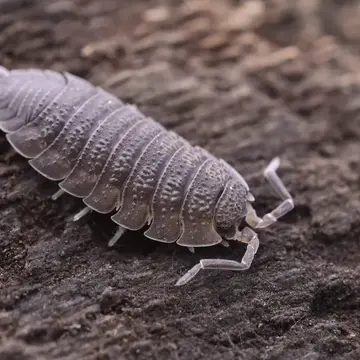 Rough sowbugHarmlessOccasional · 18 records
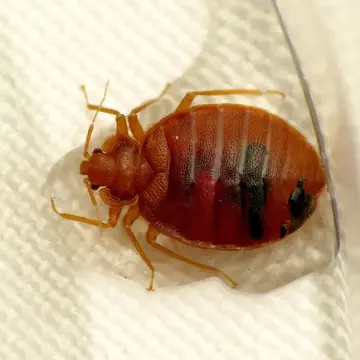 Bed bugBe carefulOccasional · 17 records
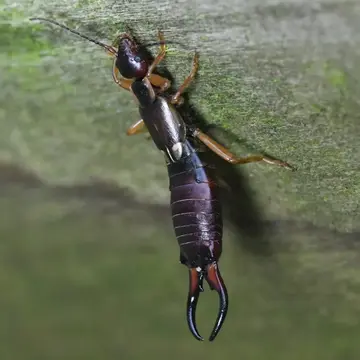 European earwigHarmlessOccasional · 17 records
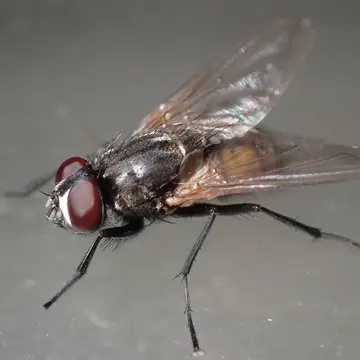 House flyBe carefulOccasional · 12 records
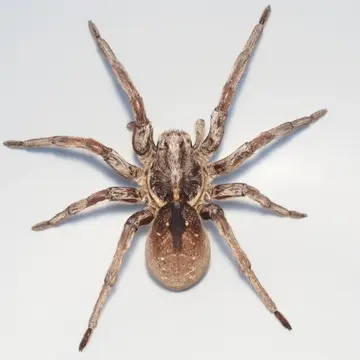 Carolina wolf spiderBe carefulOccasional · 11 records
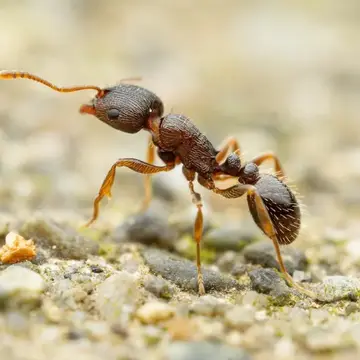 Pavement antHarmlessOccasional · 11 records
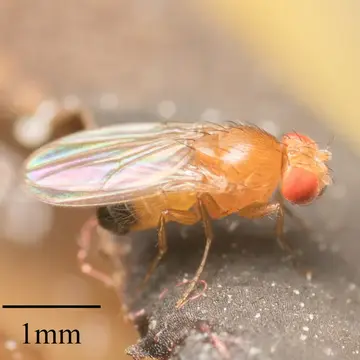 Fruit flyHarmlessOccasional · 5 records
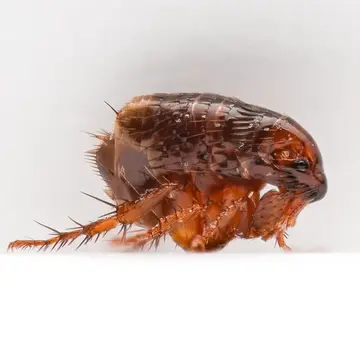 Cat fleaBe carefulOccasional · 3 records
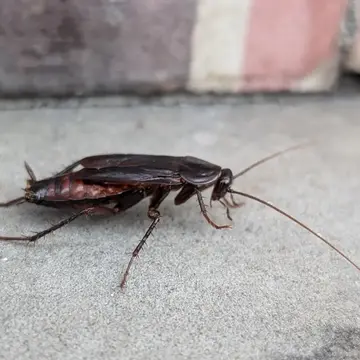 Oriental cockroachBe carefulOccasional · 3 records
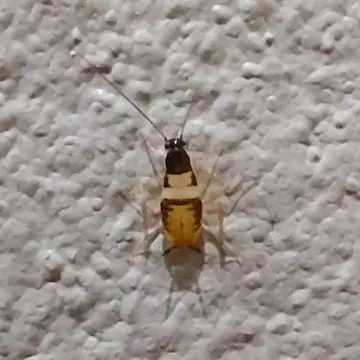 Brown-banded cockroachBe carefulOccasional · 3 records
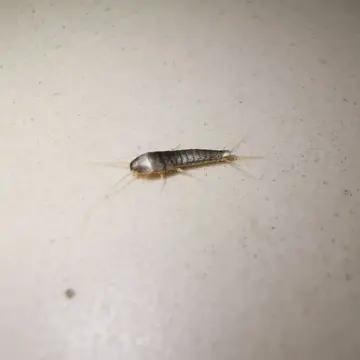 SilverfishHarmlessOccasional · 3 records
Recorded, not established
Range maps don't place these here, but people have recorded them. Usually hitchhikers.
Lists come from research-grade iNaturalist sightings (South Carolina: 265,191 arthropod records) and, for dangerous species, published range maps. A species with few records may be a hitchhiker. Counts pulled Oct 18, 2026.