
Bugs and spiders in Connecticut
The most-recorded house bugs in Connecticut are Asian lady beetles, spotted lanternflies and eastern carpenter bees. Bold jumping spiders, brown marmorated stink bugs and western conifer seed bugs come next. The list is a long one, and it includes four established ticks and a northern black widow, so a few finds deserve a closer look before you sweep them up.
Get advice if bitten
These are found in Connecticut. If you think one bit or stung you, call Poison Help at 1-800-222-1222; call 911 for trouble breathing or swelling.
Common in Connecticut
Established here or recorded often, most-recorded first.
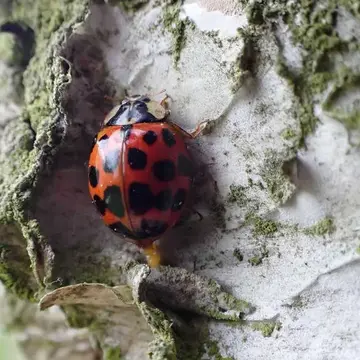 Asian lady beetleBe carefulCommon · 3,549 records
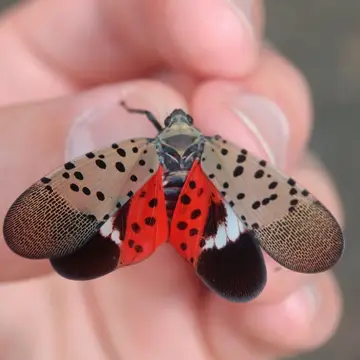 Spotted lanternflyHarmlessEstablished · 3,158 records
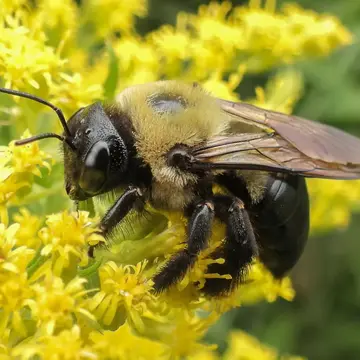 Eastern carpenter beeBe carefulCommon · 1,696 records
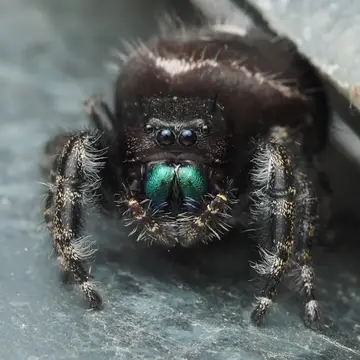 Bold jumping spiderHarmlessCommon · 987 records
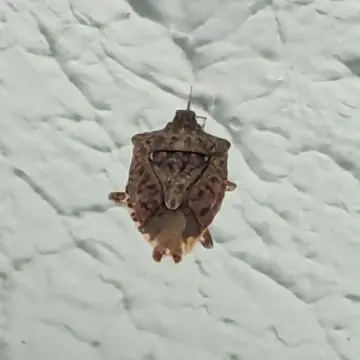 Brown marmorated stink bugHarmlessCommon · 853 records
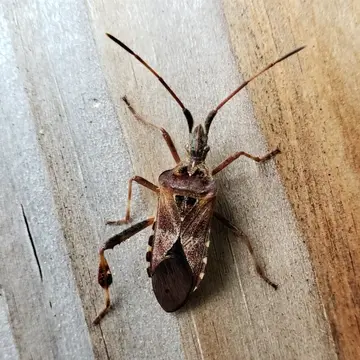 Western conifer seed bugHarmlessCommon · 811 records
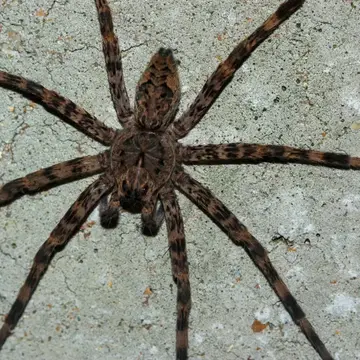 Dark fishing spiderBe carefulCommon · 680 records
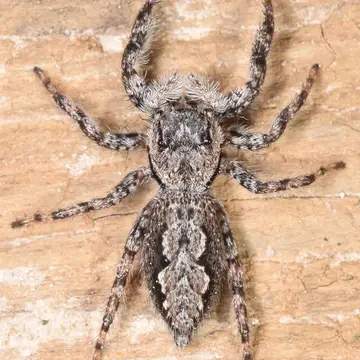 Tan jumping spiderHarmlessCommon · 679 records
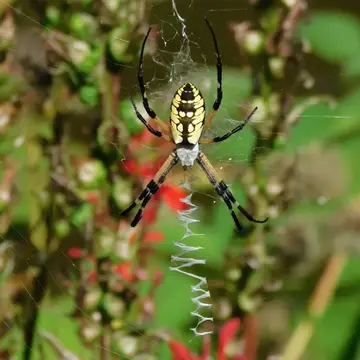 Yellow garden spiderBe carefulCommon · 659 records
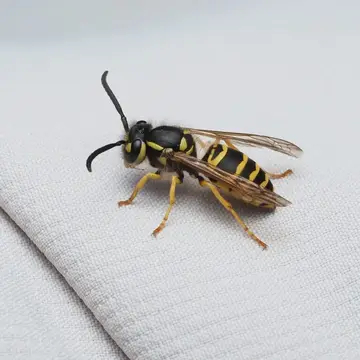 Eastern yellowjacketBe carefulCommon · 639 records
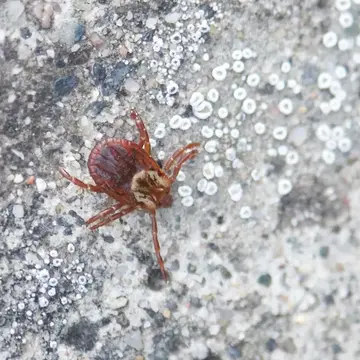 American dog tickGet adviceEstablished · 533 records
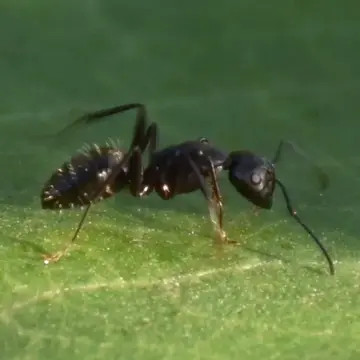 Black carpenter antHarmlessCommon · 469 records
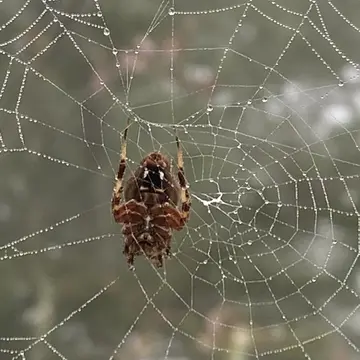 Spotted orbweaverHarmlessCommon · 452 records
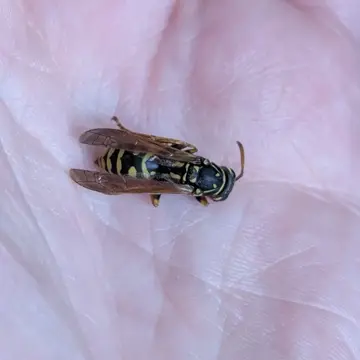 European paper waspBe carefulCommon · 431 records
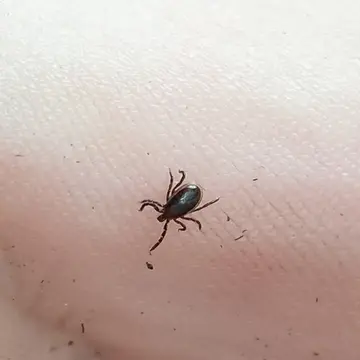 Blacklegged tickGet adviceEstablished · 369 records
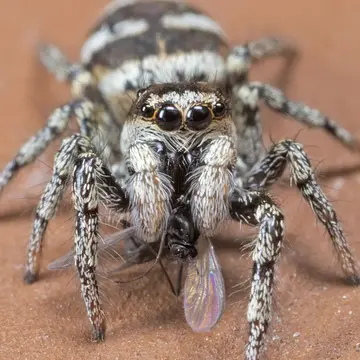 Zebra jumping spiderHarmlessCommon · 359 records
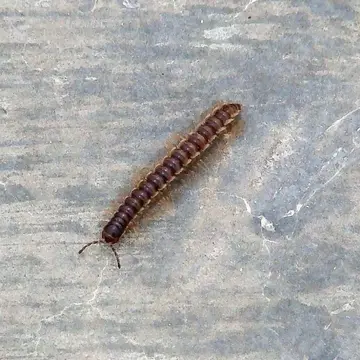 Greenhouse millipedeHarmlessCommon · 357 records
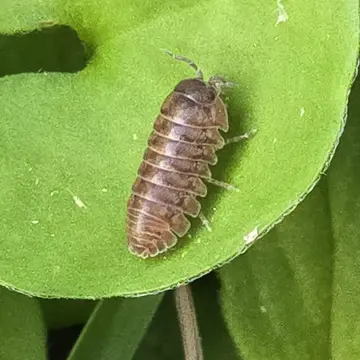 Pill bugHarmlessCommon · 317 records
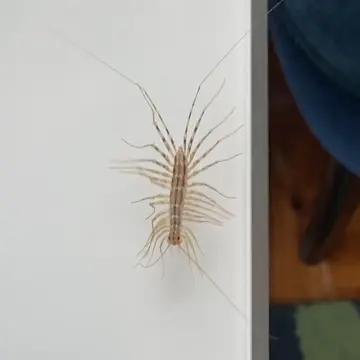 House centipedeBe carefulCommon · 261 records
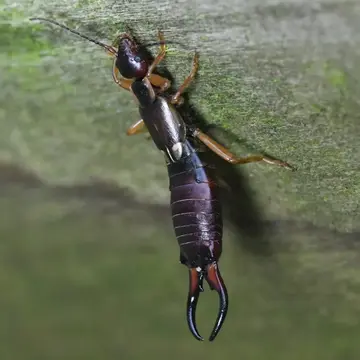 European earwigHarmlessCommon · 222 records
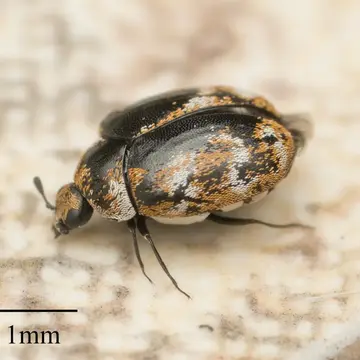 Varied carpet beetleHarmlessCommon · 199 records
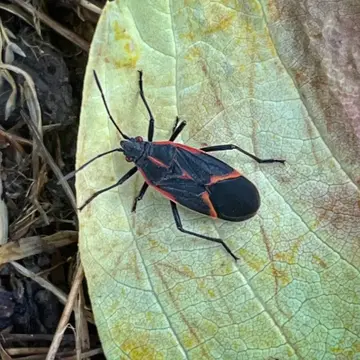 Boxelder bugHarmlessCommon · 159 records
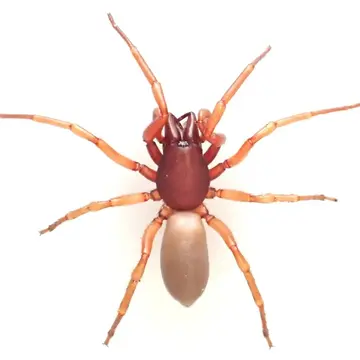 Woodlouse spiderHarmlessCommon · 149 records
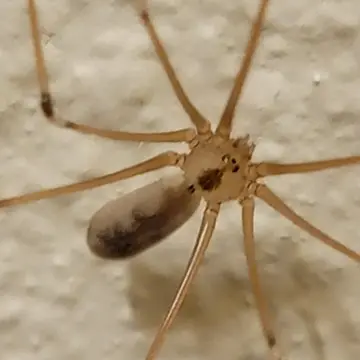 Long-bodied cellar spiderHarmlessCommon · 143 records
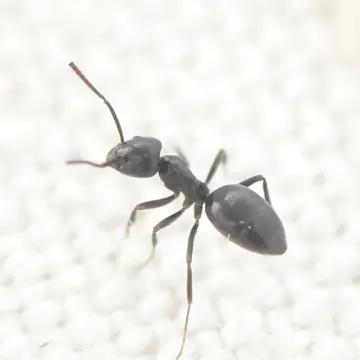 Odorous house antHarmlessCommon · 112 records
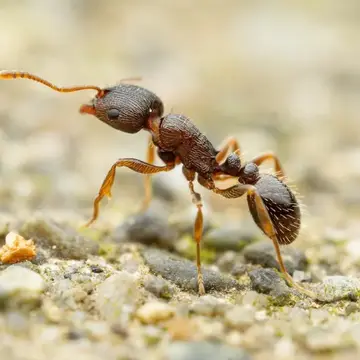 Pavement antHarmlessCommon · 107 records
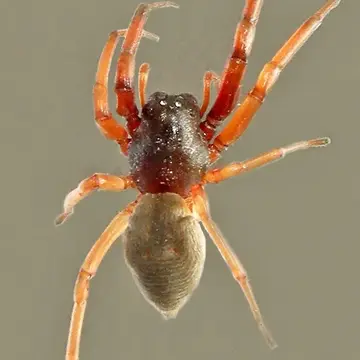 Broad-faced sac spiderBe carefulCommon · 87 records
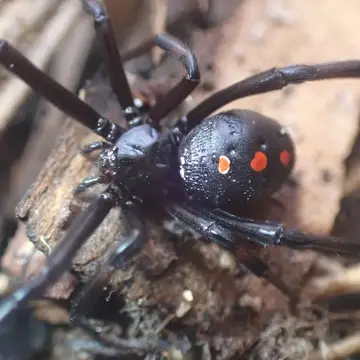 Northern black widowGet adviceEstablished · 76 records
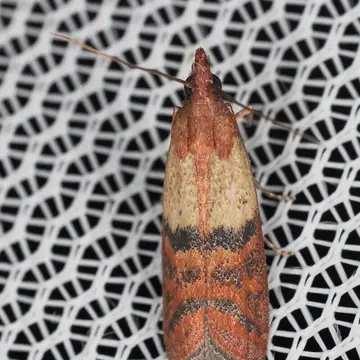 Indianmeal mothHarmlessCommon · 74 records
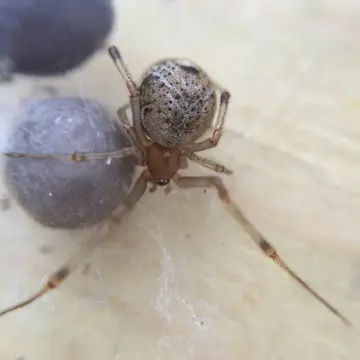 Common house spiderHarmlessCommon · 63 records
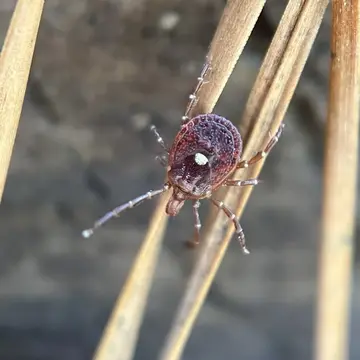 Lone star tickGet adviceEstablished · 37 records
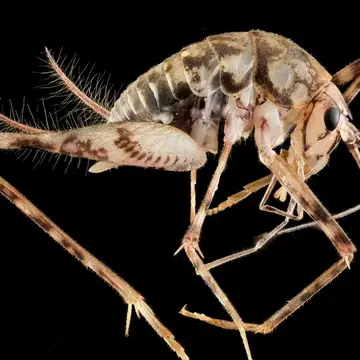 Greenhouse camel cricketHarmlessCommon · 33 records
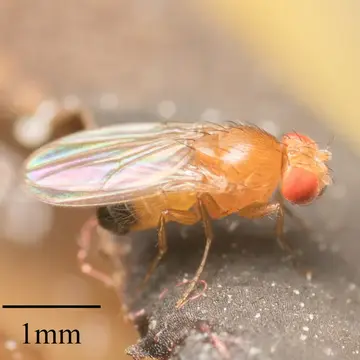 Fruit flyHarmlessCommon · 25 records
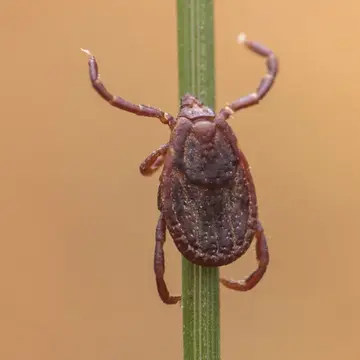 Brown dog tickGet adviceEstablished
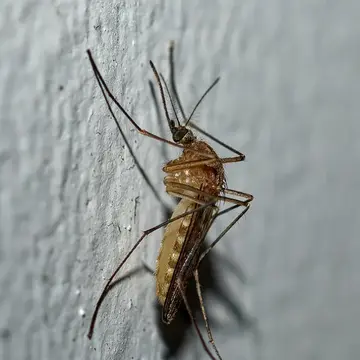 House mosquitoBe carefulEstablished
What to watch for in Connecticut
Four ticks are established in Connecticut: the blacklegged tick, the American dog tick, the lone star tick and the brown dog tick. The blacklegged tick can spread Lyme disease and other serious infections, and the American dog tick can spread Rocky Mountain spotted fever and tularemia. The lone star tick can spread ehrlichiosis and is linked to alpha-gal syndrome, a red-meat allergy. Pull a tick off promptly and watch for rash or fever. The brown dog tick mainly feeds on dogs and can breed indoors.
The northern black widow is also established here. A bite from an adult female can cause spreading pain and muscle cramps, so get medical advice right away if you think you were bitten, and call Poison Help at 1-800-222-1222 if you are worried. Among the Be-careful species, the ones most often met are eastern yellowjackets, European paper wasps, eastern carpenter bees, dark fishing spiders, yellow garden spiders and house centipedes. Give stinging insects room, especially near nests.
Through the year
- Spring
- Eastern carpenter bees hover and drill around the house in spring, American dog ticks become active by about April, and black carpenter ants indoors this early can point to a nest inside the walls.
- Summer
- Spotted lanternfly nymphs give way to adults in July, and yellowjacket nests keep growing near food and trash as the season goes on.
- Fall
- Asian lady beetles, brown marmorated stink bugs and western conifer seed bugs move in during September, October and November, while yellow garden spiders and spotted orbweavers are at their most noticeable.
- Winter
- Winter finds are mostly stragglers, such as stink bugs and lady beetles stirring on warm days near windows, plus house centipedes, which are seen indoors all year.
Seen now and then
Recorded a few times; often brought in on plants, firewood or luggage.
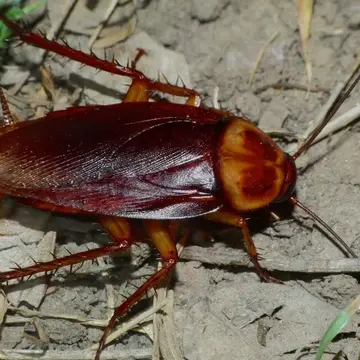 American cockroachBe carefulOccasional · 21 records
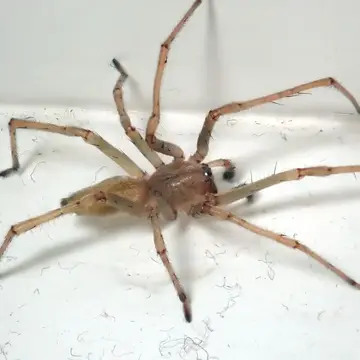 Northern yellow sac spiderBe carefulOccasional · 20 records
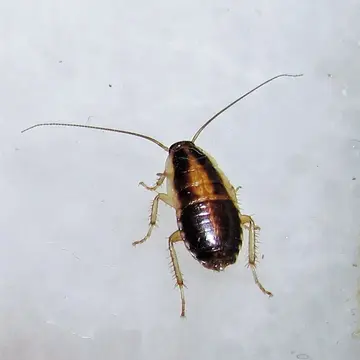 German cockroachBe carefulOccasional · 15 records
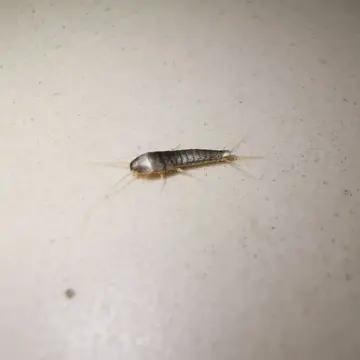 SilverfishHarmlessOccasional · 15 records
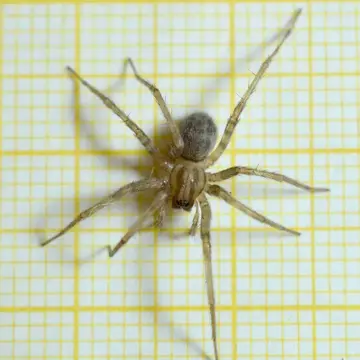 Barn funnel weaverHarmlessOccasional · 14 records
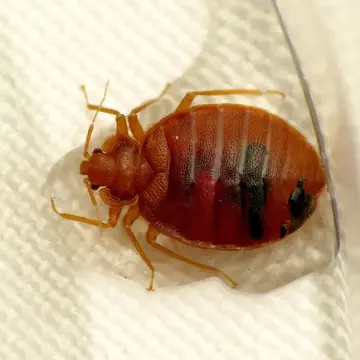 Bed bugBe carefulOccasional · 9 records
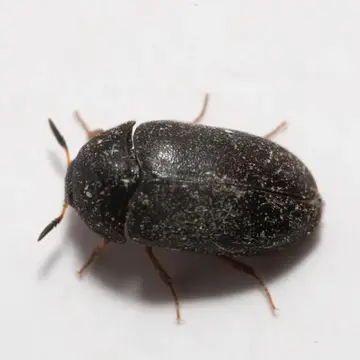 Black carpet beetleHarmlessOccasional · 6 records
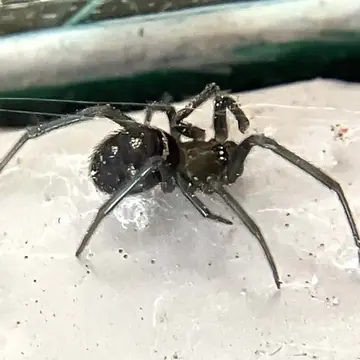 False black widowBe carefulOccasional · 4 records
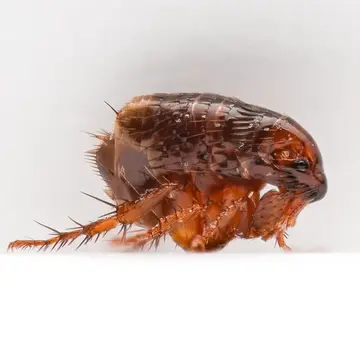 Cat fleaBe carefulOccasional · 3 records
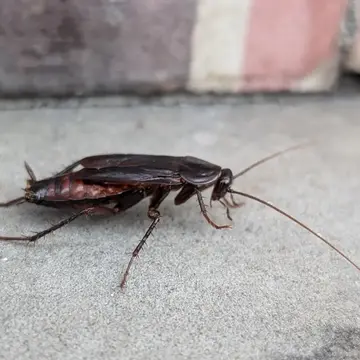 Oriental cockroachBe carefulOccasional · 3 records
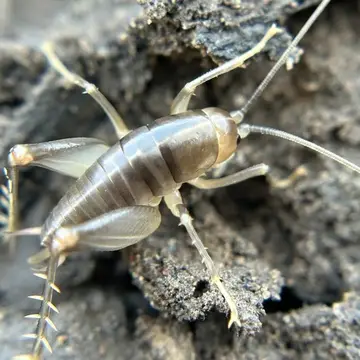 Camel crickets (native)HarmlessOccasional · 3 records
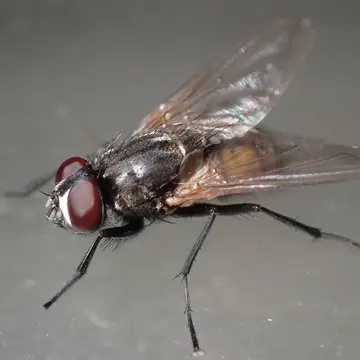 House flyBe carefulOccasional · 3 records
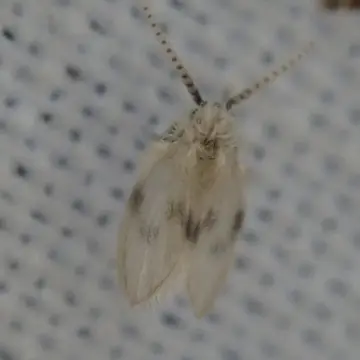 Drain flyHarmlessOccasional · 3 records
Lists come from research-grade iNaturalist sightings (Connecticut: 276,641 arthropod records) and, for dangerous species, published range maps. A species with few records may be a hitchhiker. Counts pulled Oct 18, 2026.