
Bugs in the garage
Garages and attics are half outdoors, so they get the widest mix: widow spiders, wasps, crickets, earwigs and the fall invaders looking for a winter spot. This page also covers attics.
Found in the garage
47 kinds, most dangerous first. Tap one for photos, the danger rating and what to do.
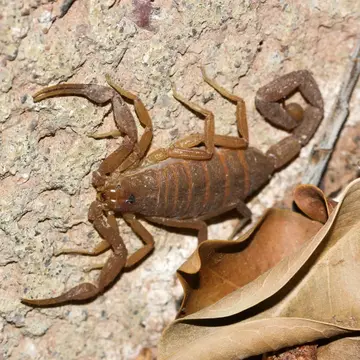 Arizona bark scorpionGet advice
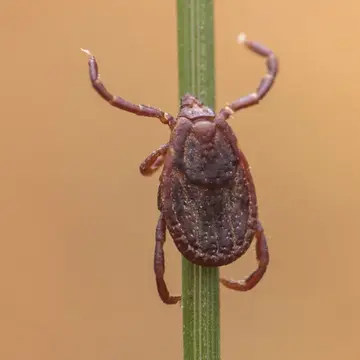 Brown dog tickGet advice
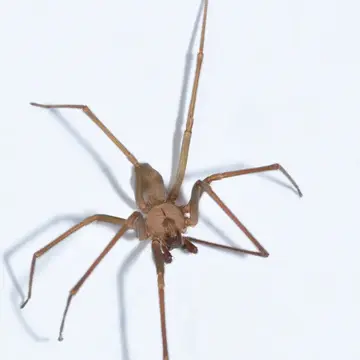 Brown recluseGet advice
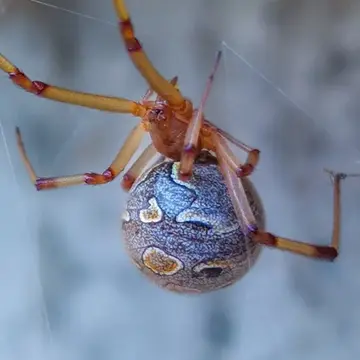 Brown widowGet advice
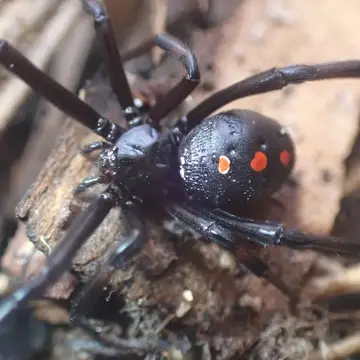 Northern black widowGet advice
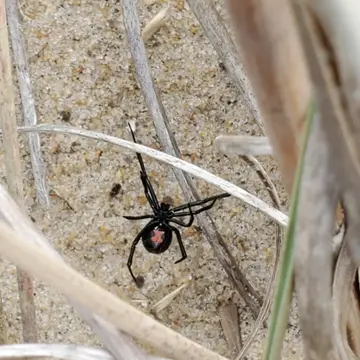 Southern black widowGet advice
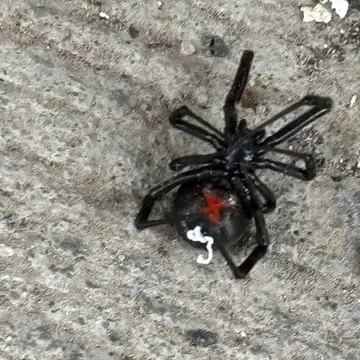 Western black widowGet advice
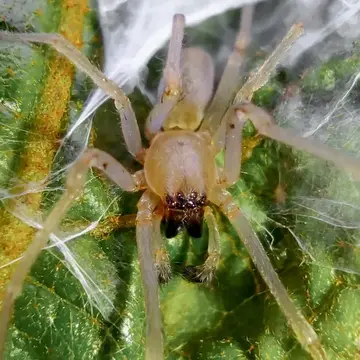 Agrarian sac spiderBe careful
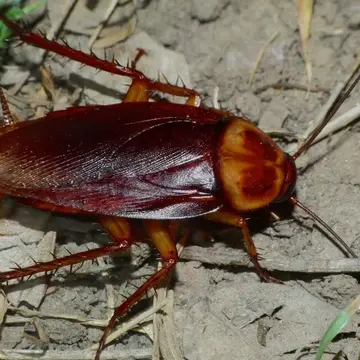 American cockroachBe careful
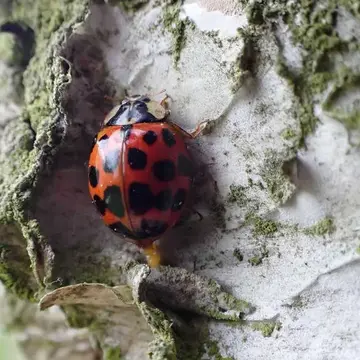 Asian lady beetleBe careful
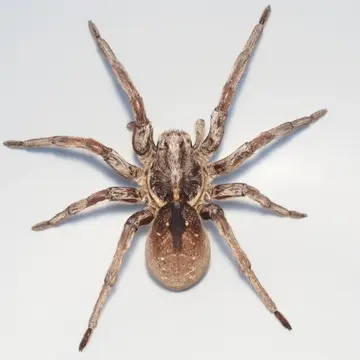 Carolina wolf spiderBe careful
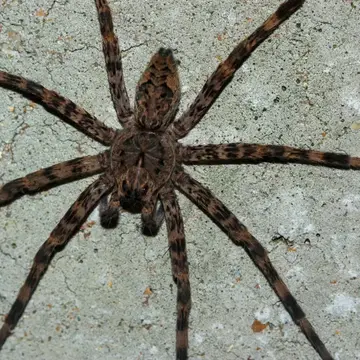 Dark fishing spiderBe careful
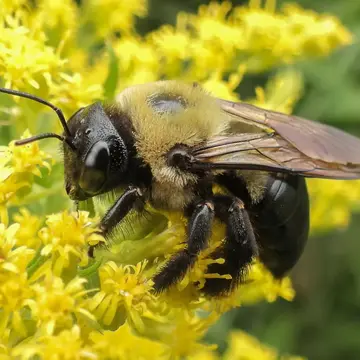 Eastern carpenter beeBe careful
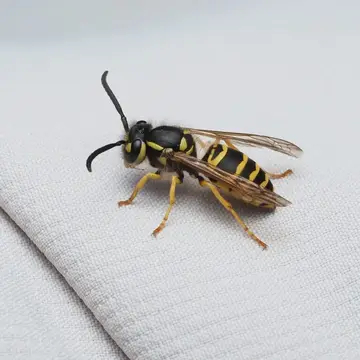 Eastern yellowjacketBe careful
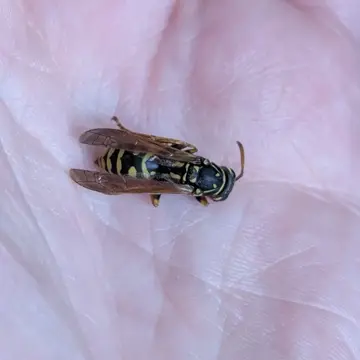 European paper waspBe careful
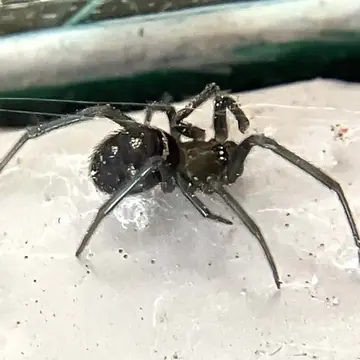 False black widowBe careful
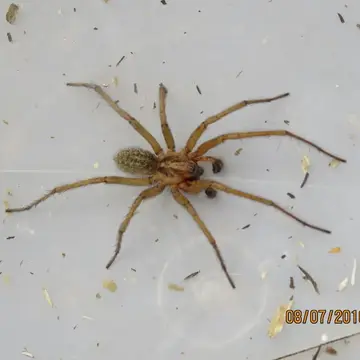 Hobo spiderBe careful
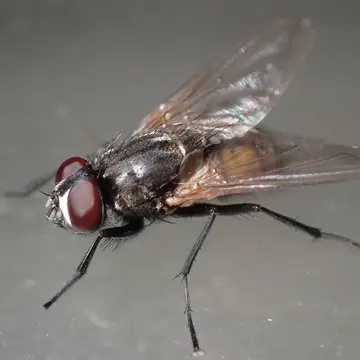 House flyBe careful
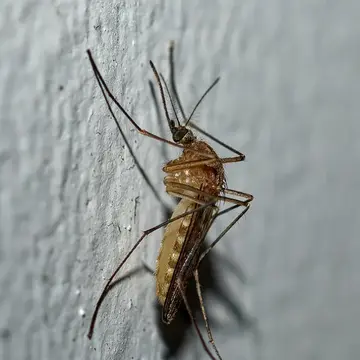 House mosquitoBe careful
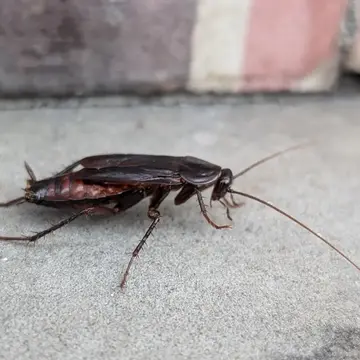 Oriental cockroachBe careful
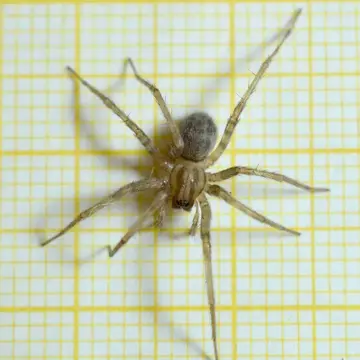 Barn funnel weaverHarmless
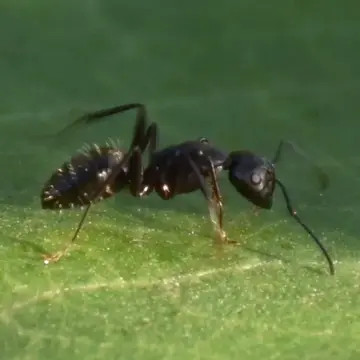 Black carpenter antHarmless
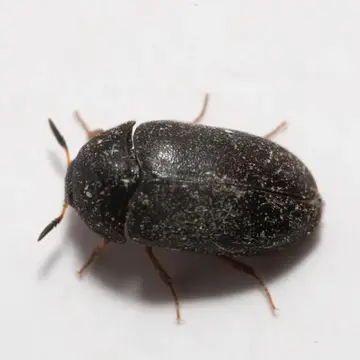 Black carpet beetleHarmless
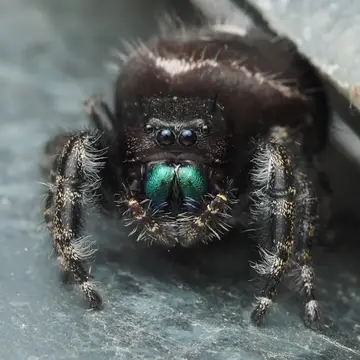 Bold jumping spiderHarmless
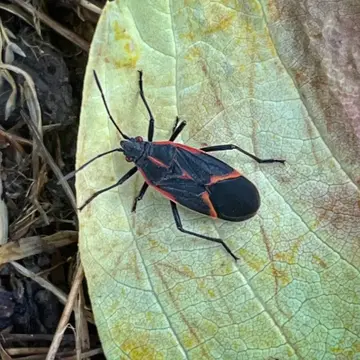 Boxelder bugHarmless
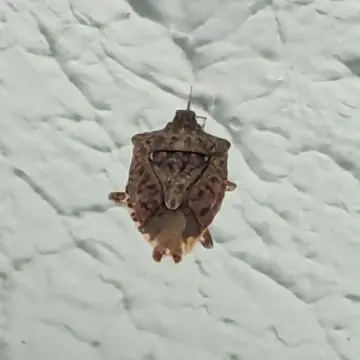 Brown marmorated stink bugHarmless
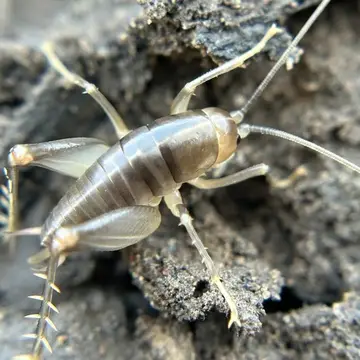 Camel crickets (native)Harmless
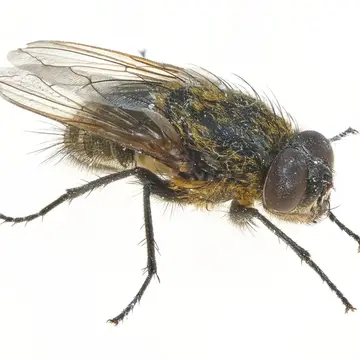 Cluster flyHarmless
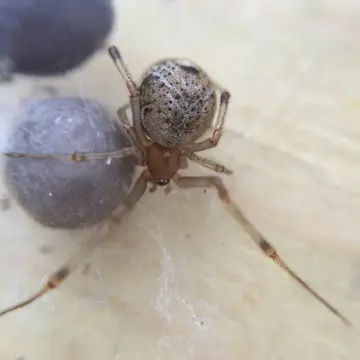 Common house spiderHarmless
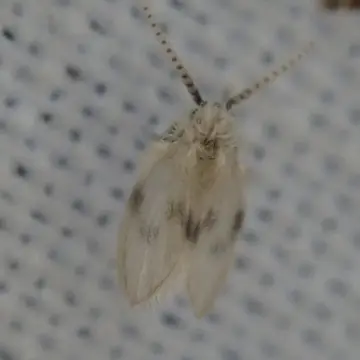 Drain flyHarmless
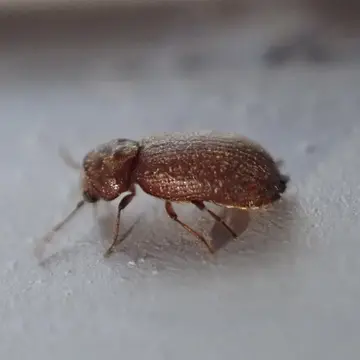 Drugstore beetleHarmless
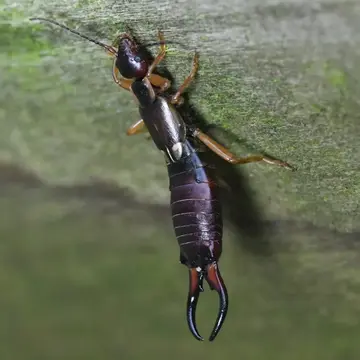 European earwigHarmless
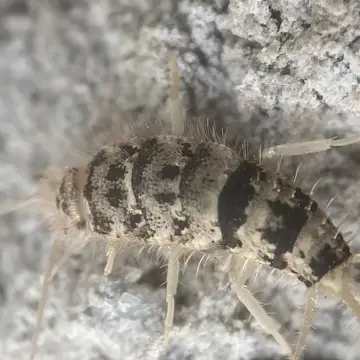 FirebratHarmless
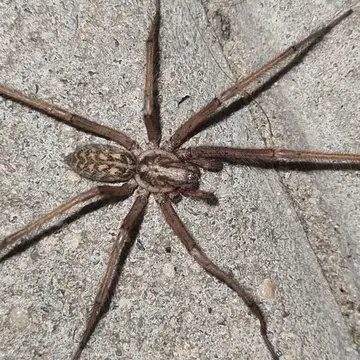 Giant house spiderHarmless
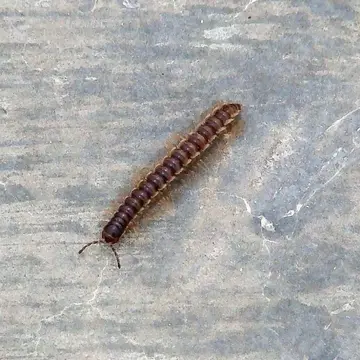 Greenhouse millipedeHarmless
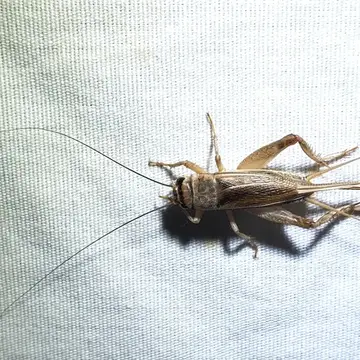 House cricketHarmless
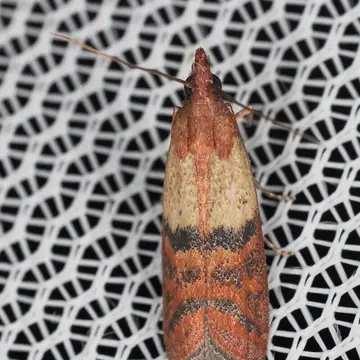 Indianmeal mothHarmless
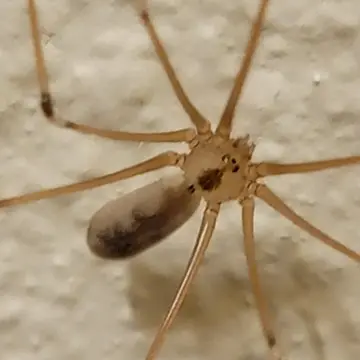 Long-bodied cellar spiderHarmless
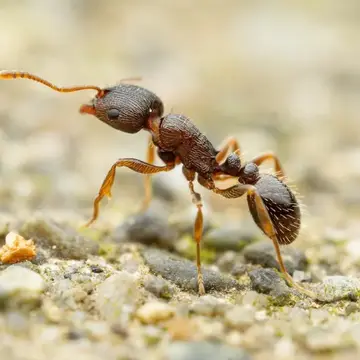 Pavement antHarmless
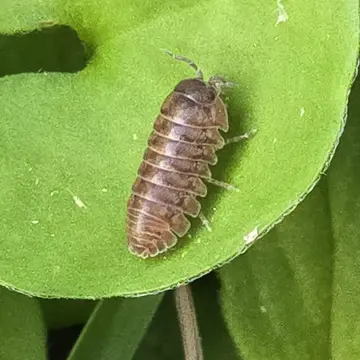 Pill bugHarmless
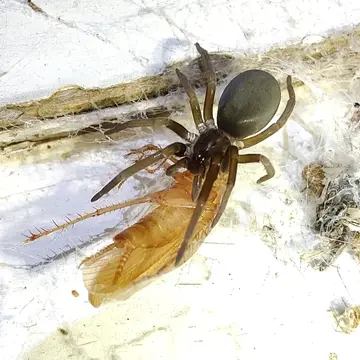 Southern house spiderHarmless
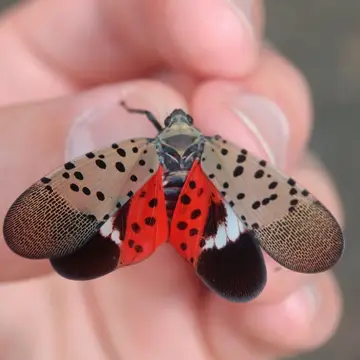 Spotted lanternflyHarmless
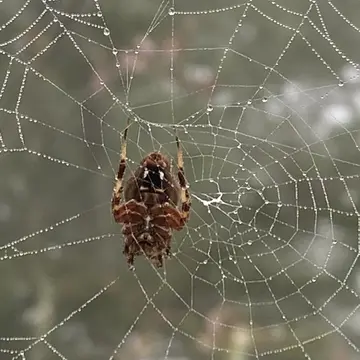 Spotted orbweaverHarmless
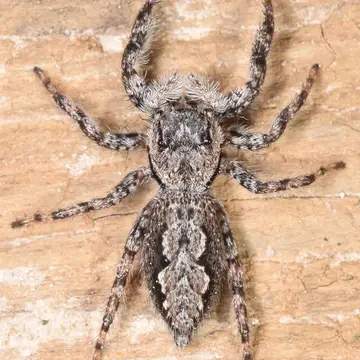 Tan jumping spiderHarmless
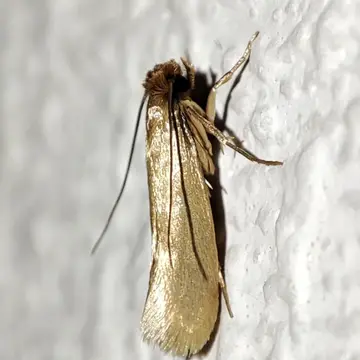 Webbing clothes mothHarmless
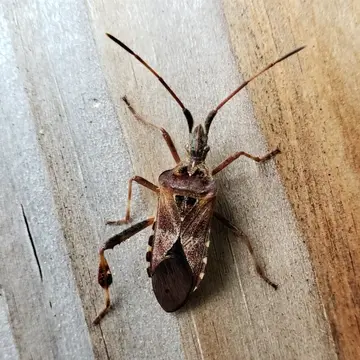 Western conifer seed bugHarmless
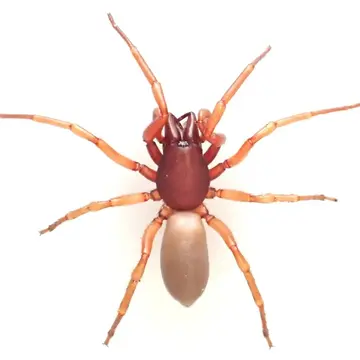 Woodlouse spiderHarmless
Why bugs end up in the garage
A garage door that lifts several times a day is an open gate. The gap under a worn door seal is enough for crickets, earwigs, pill bugs and spiders, and the clutter on shelves gives them places to hide. Wasps build nests in the rafters, and attics draw fall invaders, cluster flies and wasps looking for a sheltered spot for the winter.
Pantry moths and beetles also turn up here when birdseed or pet food is stored in open bags.
What you can do today
- Replace a worn or cracked bottom seal on the garage door, and seal gaps along the sides.
- Store birdseed, pet food and grass seed in metal or heavy plastic bins with lids.
- Keep shelves off the floor and use clear bins so you can see what's inside without reaching in.
- Check rafters and attic vents in spring for small paper wasp nests, which are easier to deal with while small.
- Wear gloves when reaching into boxes, sports gear or shoes left in the garage.
When it's more than a nuisance
Garages are a common place to meet black widows and, in their range, brown widows and brown recluses. All are rated Get advice. Look before reaching under shelves and into gloves or boots. Yellowjackets and paper wasps defend nests that get disturbed. Call Poison Help at 1-800-222-1222 for a worrying bite and 911 for trouble breathing.