
Bugs and spiders in Missouri
Eastern carpenter bees are the most recorded bug in Missouri, ahead of Asian lady beetles, bold jumping spiders and yellow garden spiders. Missouri has a heavy Get-advice list. The brown recluse is among the most recorded species of all, both the northern and southern black widows are established, and so are four kinds of tick.
Get advice if bitten
These are found in Missouri. If you think one bit or stung you, call Poison Help at 1-800-222-1222; call 911 for trouble breathing or swelling.
Common in Missouri
Established here or recorded often, most-recorded first.
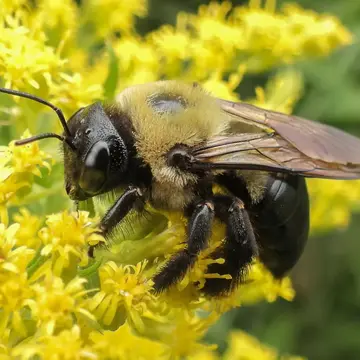 Eastern carpenter beeBe carefulCommon · 6,594 records
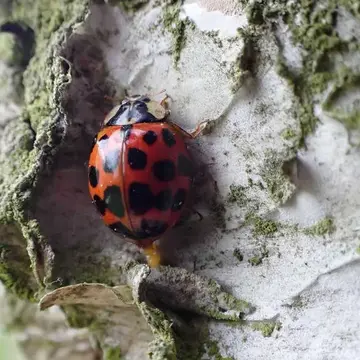 Asian lady beetleBe carefulCommon · 3,785 records
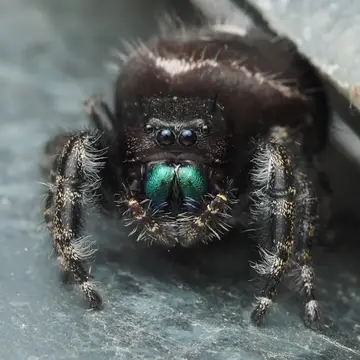 Bold jumping spiderHarmlessCommon · 2,262 records
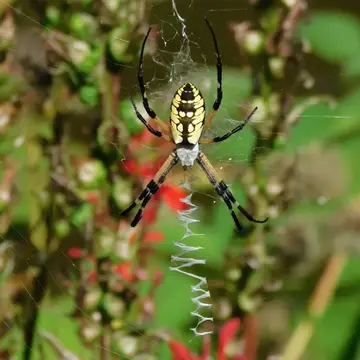 Yellow garden spiderBe carefulCommon · 1,885 records
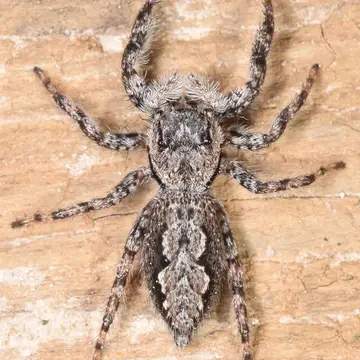 Tan jumping spiderHarmlessCommon · 1,755 records
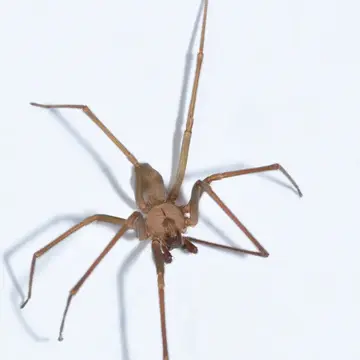 Brown recluseGet adviceEstablished · 1,665 records
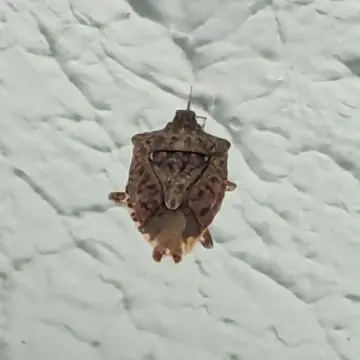 Brown marmorated stink bugHarmlessCommon · 1,170 records
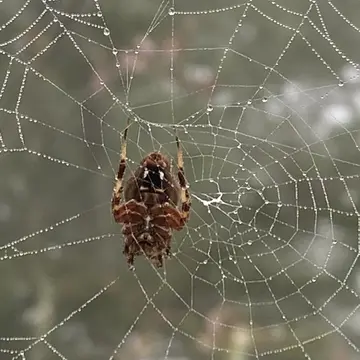 Spotted orbweaverHarmlessCommon · 1,152 records
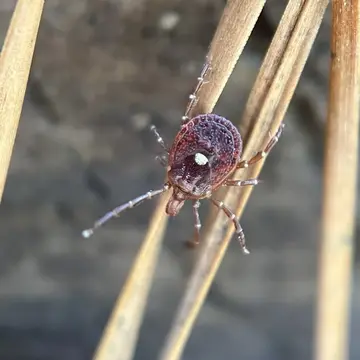 Lone star tickGet adviceEstablished · 1,024 records
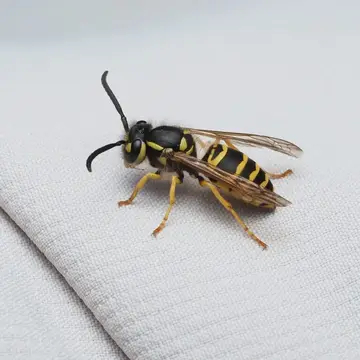 Eastern yellowjacketBe carefulCommon · 793 records
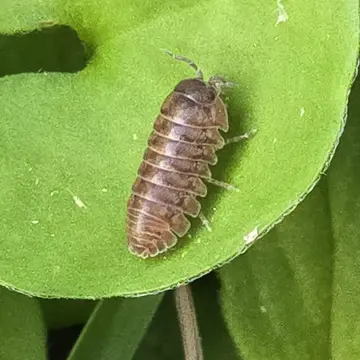 Pill bugHarmlessCommon · 723 records
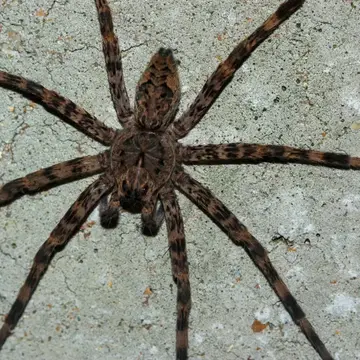 Dark fishing spiderBe carefulCommon · 706 records
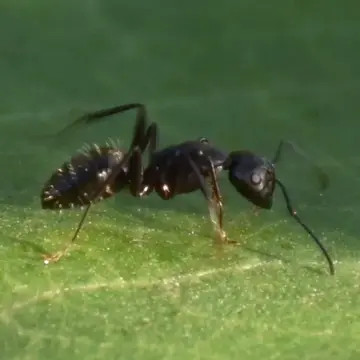 Black carpenter antHarmlessCommon · 607 records
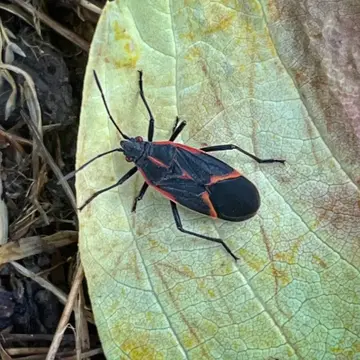 Boxelder bugHarmlessCommon · 486 records
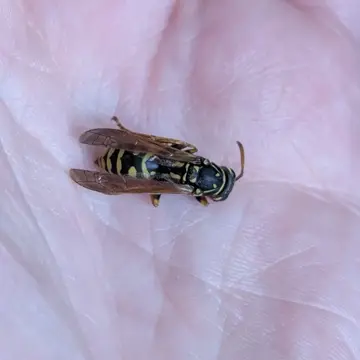 European paper waspBe carefulCommon · 458 records
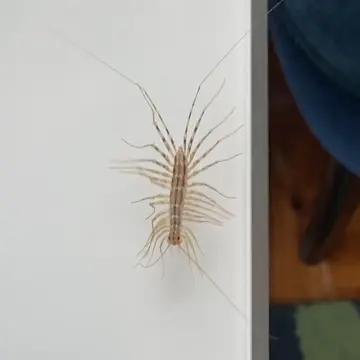 House centipedeBe carefulCommon · 408 records
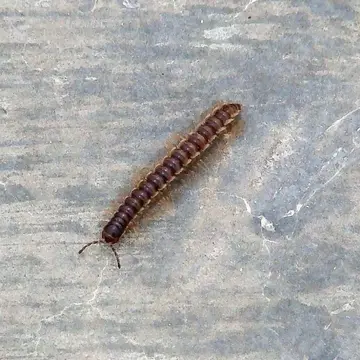 Greenhouse millipedeHarmlessCommon · 397 records
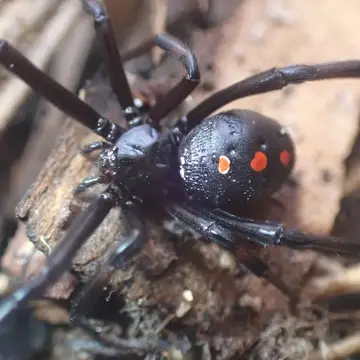 Northern black widowGet adviceEstablished · 363 records
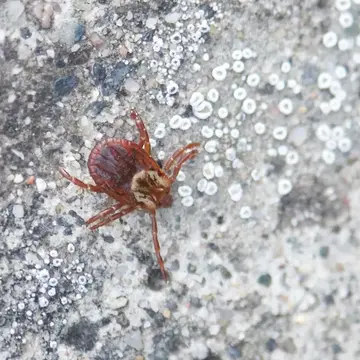 American dog tickGet adviceEstablished · 329 records
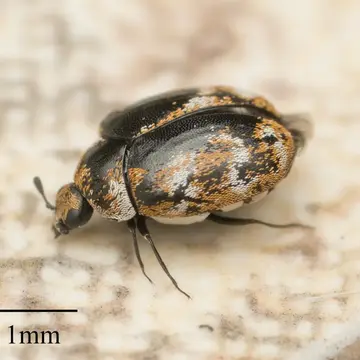 Varied carpet beetleHarmlessCommon · 322 records
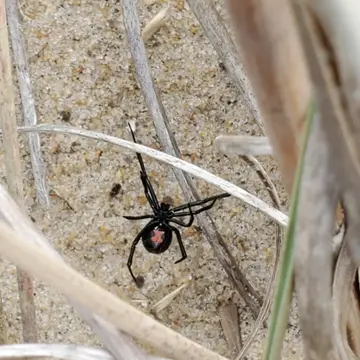 Southern black widowGet adviceEstablished · 241 records
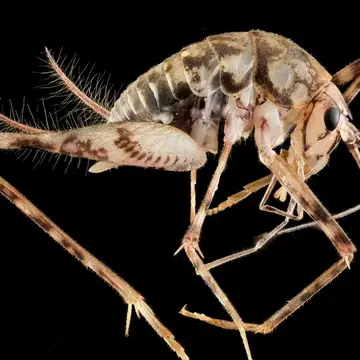 Greenhouse camel cricketHarmlessCommon · 229 records
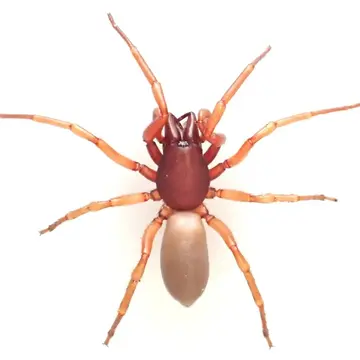 Woodlouse spiderHarmlessCommon · 196 records
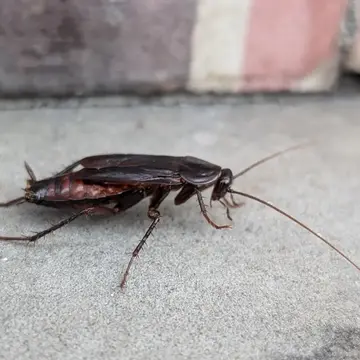 Oriental cockroachBe carefulCommon · 186 records
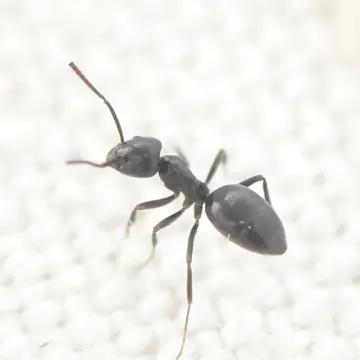 Odorous house antHarmlessCommon · 150 records
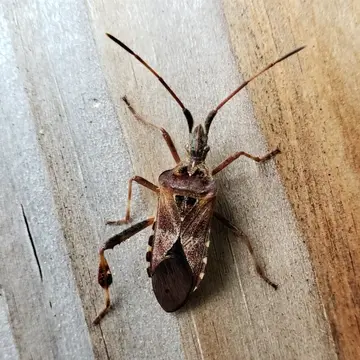 Western conifer seed bugHarmlessCommon · 127 records
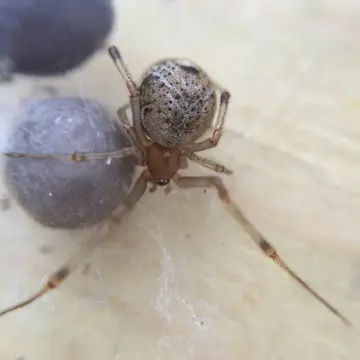 Common house spiderHarmlessCommon · 110 records
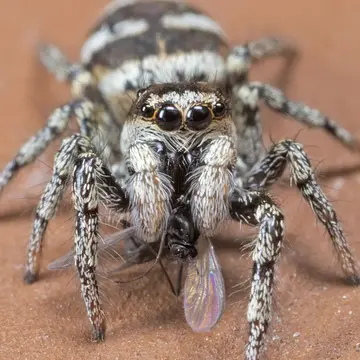 Zebra jumping spiderHarmlessCommon · 98 records
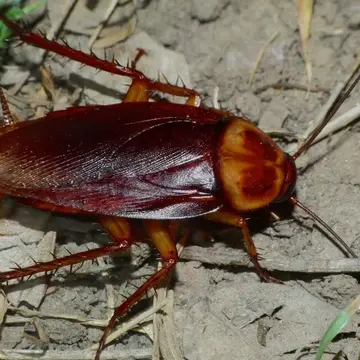 American cockroachBe carefulCommon · 90 records
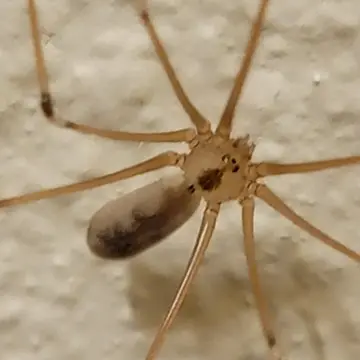 Long-bodied cellar spiderHarmlessCommon · 73 records
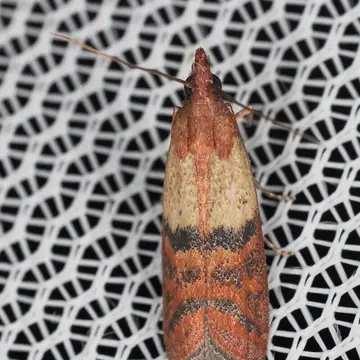 Indianmeal mothHarmlessCommon · 72 records
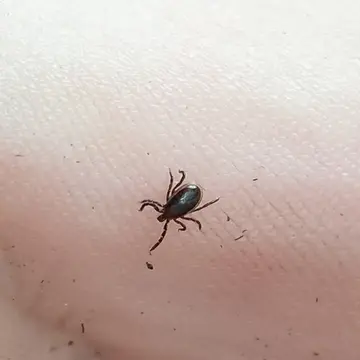 Blacklegged tickGet adviceEstablished · 60 records
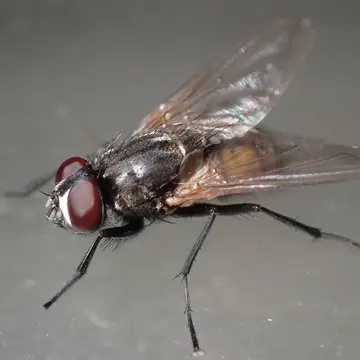 House flyBe carefulCommon · 45 records
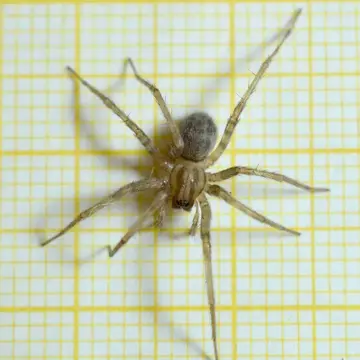 Barn funnel weaverHarmlessCommon · 44 records
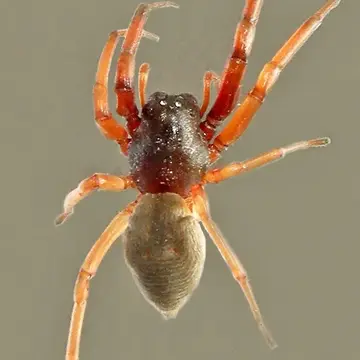 Broad-faced sac spiderBe carefulCommon · 43 records
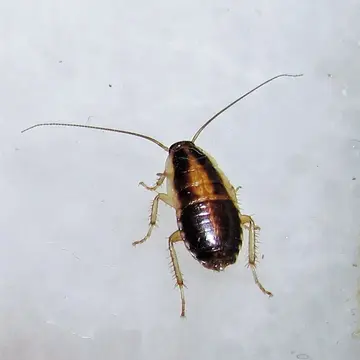 German cockroachBe carefulCommon · 36 records
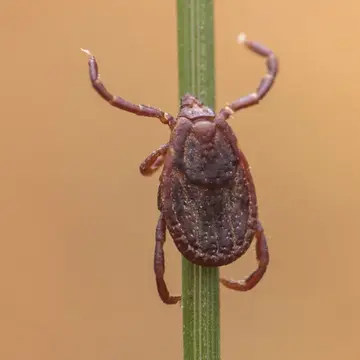 Brown dog tickGet adviceEstablished
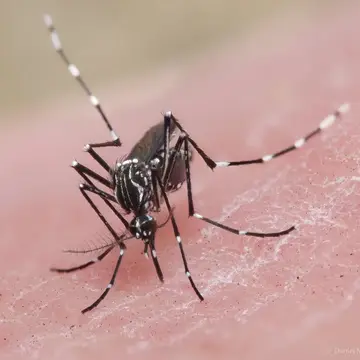 Yellow fever mosquitoBe carefulEstablished (parts of the state)
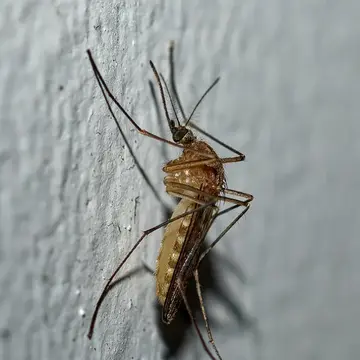 House mosquitoBe carefulEstablished
What to watch for in Missouri
The brown recluse and both the northern and southern black widows are established in Missouri, and the recluse and northern widow are recorded often. Black widow bites can cause strong muscle pain and cramps, and some recluse bites heal slowly. Get medical advice after a worrying bite, or call Poison Help (1-800-222-1222). Indoors, recluses are most often found in closets, basements, attics and garages.
The lone star tick is the most recorded tick, then the American dog tick and the blacklegged tick, and all three can carry disease. Lone star bites are also linked to alpha-gal syndrome. The brown dog tick mainly feeds on dogs and can breed indoors. The yellow fever mosquito is established in parts of the state, alongside the house mosquito.
Through the year
- Spring
- Eastern carpenter bees are most active from April, with males hovering near nests and females drilling.
- Summer
- Mosquito season runs roughly June through October, and eastern yellowjacket nests keep growing toward their late-summer peak.
- Fall
- Asian lady beetles, boxelder bugs and brown marmorated stink bugs move in, and new carpenter bee adults show up in late summer.
- Winter
- The Missouri Department of Conservation notes that house centipedes are especially noticed in homes in winter, and greenhouse camel crickets are around too.
Seen now and then
Recorded a few times; often brought in on plants, firewood or luggage.
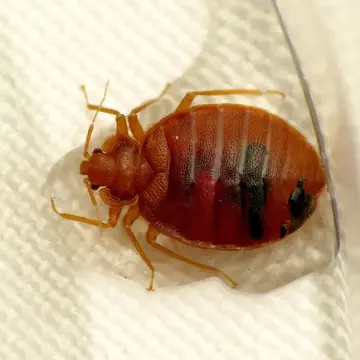 Bed bugBe carefulOccasional · 24 records
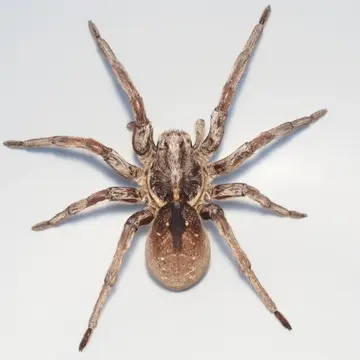 Carolina wolf spiderBe carefulOccasional · 22 records
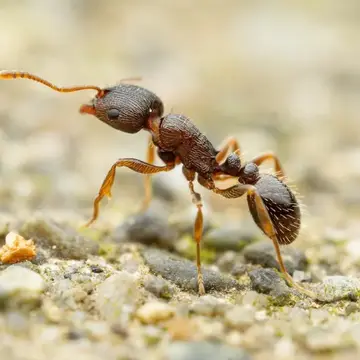 Pavement antHarmlessOccasional · 21 records
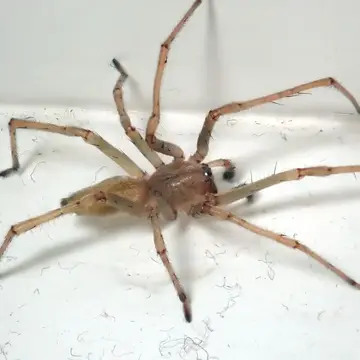 Northern yellow sac spiderBe carefulOccasional · 12 records
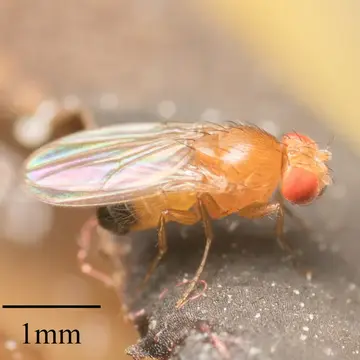 Fruit flyHarmlessOccasional · 11 records
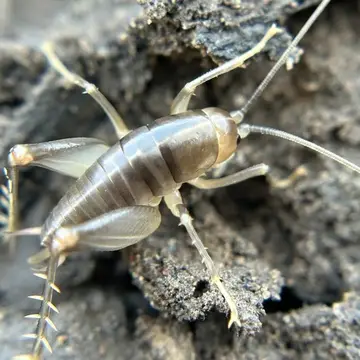 Camel crickets (native)HarmlessOccasional · 5 records
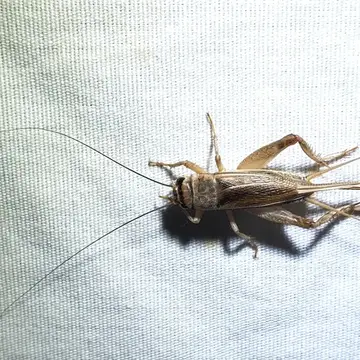 House cricketHarmlessOccasional · 3 records
Lists come from research-grade iNaturalist sightings (Missouri: 364,976 arthropod records) and, for dangerous species, published range maps. A species with few records may be a hitchhiker. Counts pulled Oct 18, 2026.