
Bugs and spiders in Vermont
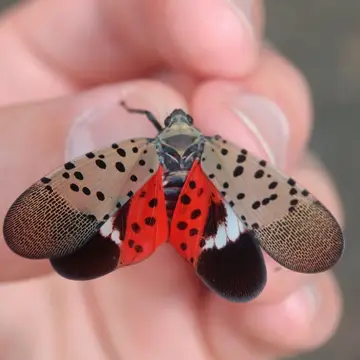
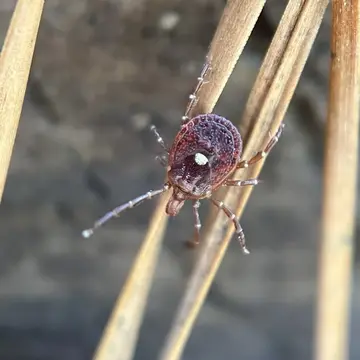
Asian lady beetles dominate the Vermont record counts, well ahead of western conifer seed bugs, yellow garden spiders and boxelder bugs. The blacklegged tick and the American dog tick both rank high. The spotted lanternfly and the lone star tick have records here but are not known to be established, and cockroaches are only Occasional.
Get advice if bitten
These are found in Vermont. If you think one bit or stung you, call Poison Help at 1-800-222-1222; call 911 for trouble breathing or swelling.
Common in Vermont
Established here or recorded often, most-recorded first.
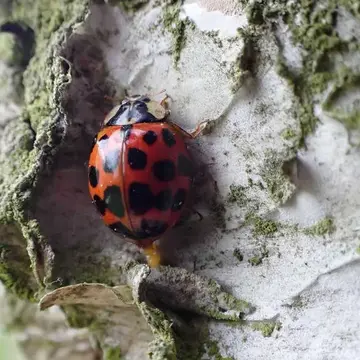 Asian lady beetleBe carefulCommon · 6,203 records
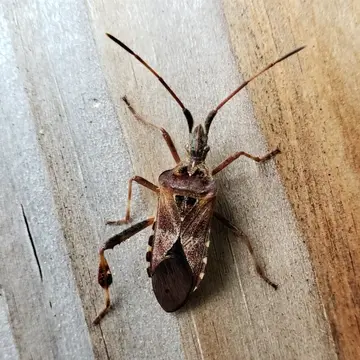 Western conifer seed bugHarmlessCommon · 1,302 records
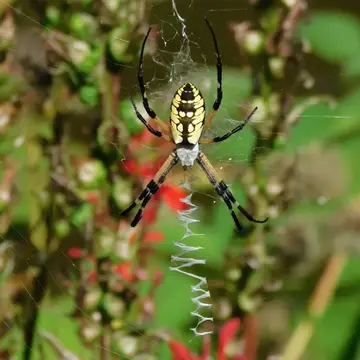 Yellow garden spiderBe carefulCommon · 1,218 records
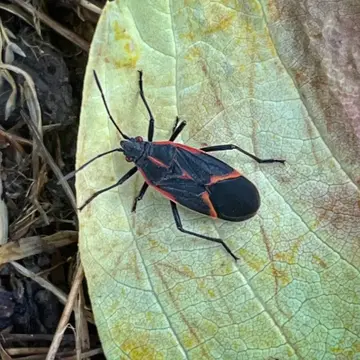 Boxelder bugHarmlessCommon · 1,107 records
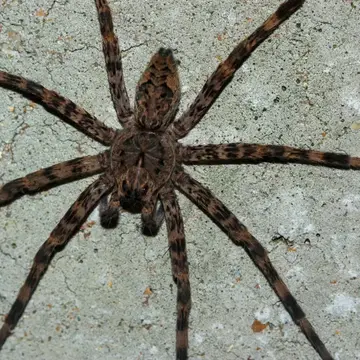 Dark fishing spiderBe carefulCommon · 1,030 records
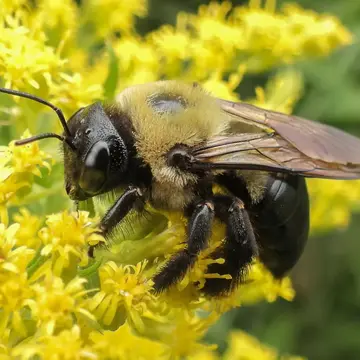 Eastern carpenter beeBe carefulCommon · 769 records
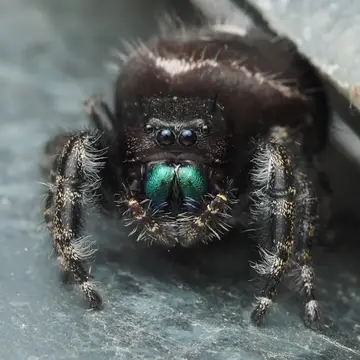 Bold jumping spiderHarmlessCommon · 761 records
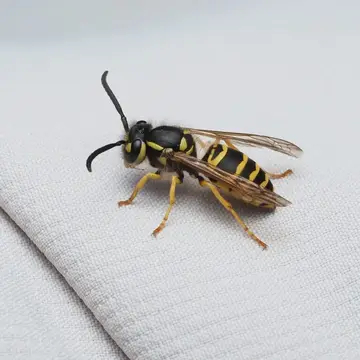 Eastern yellowjacketBe carefulCommon · 703 records
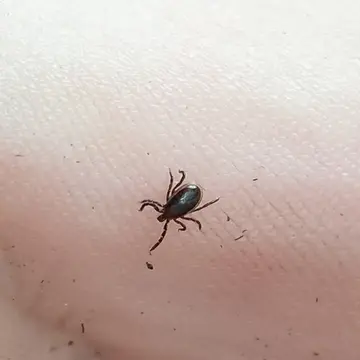 Blacklegged tickGet adviceEstablished · 654 records
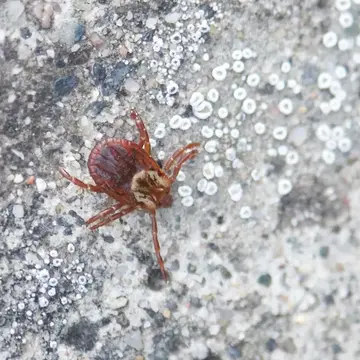 American dog tickGet adviceEstablished · 610 records
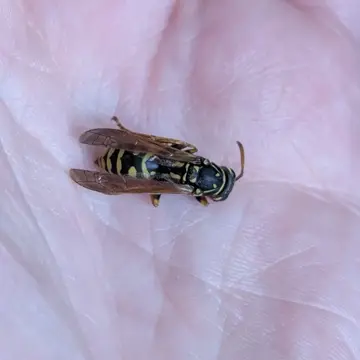 European paper waspBe carefulCommon · 495 records
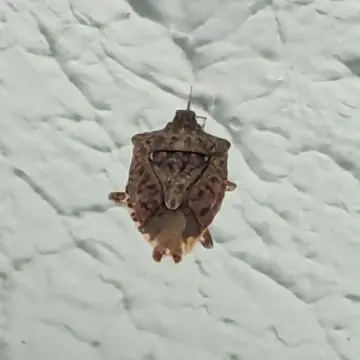 Brown marmorated stink bugHarmlessCommon · 434 records
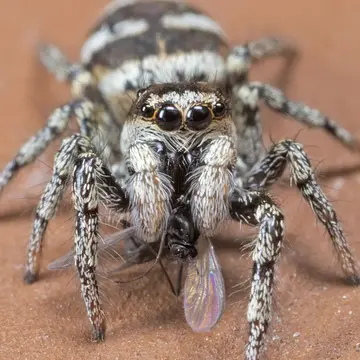 Zebra jumping spiderHarmlessCommon · 422 records
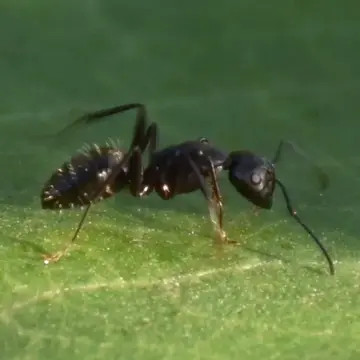 Black carpenter antHarmlessCommon · 411 records
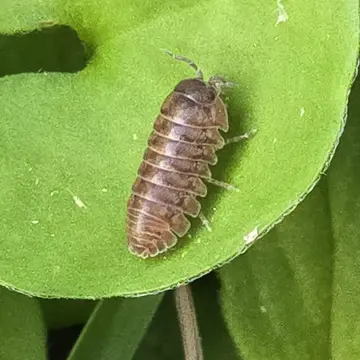 Pill bugHarmlessCommon · 338 records
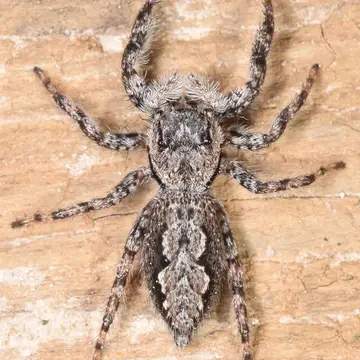 Tan jumping spiderHarmlessCommon · 261 records
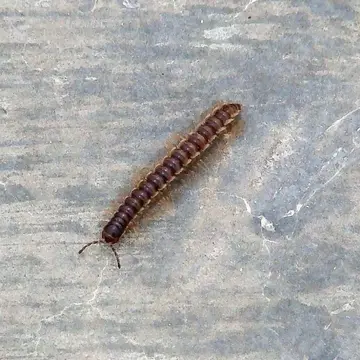 Greenhouse millipedeHarmlessCommon · 205 records
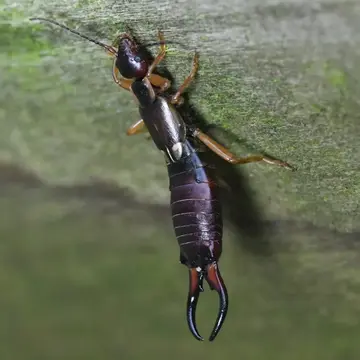 European earwigHarmlessCommon · 198 records
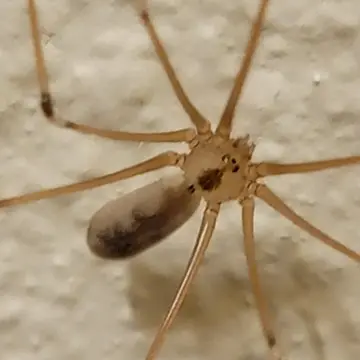 Long-bodied cellar spiderHarmlessCommon · 139 records
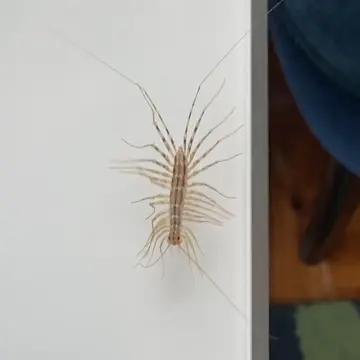 House centipedeBe carefulCommon · 129 records
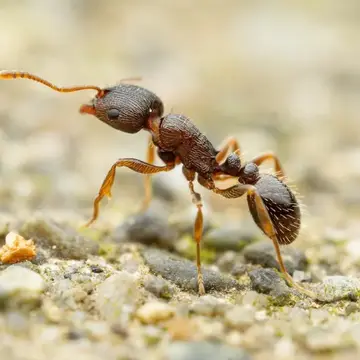 Pavement antHarmlessCommon · 84 records
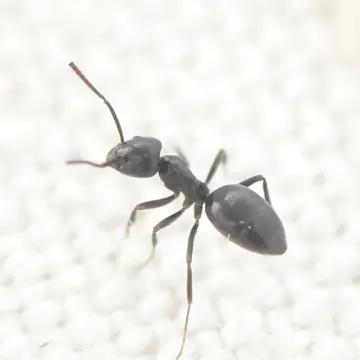 Odorous house antHarmlessCommon · 83 records
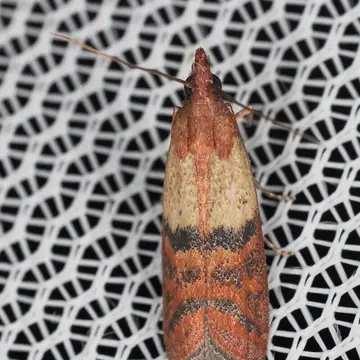 Indianmeal mothHarmlessCommon · 55 records
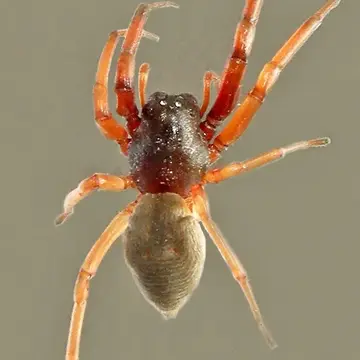 Broad-faced sac spiderBe carefulCommon · 40 records
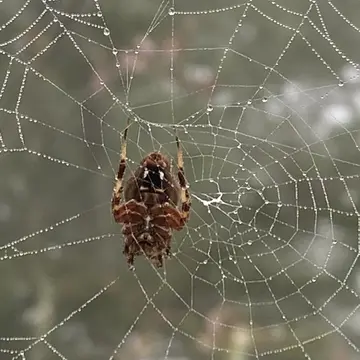 Spotted orbweaverHarmlessCommon · 26 records
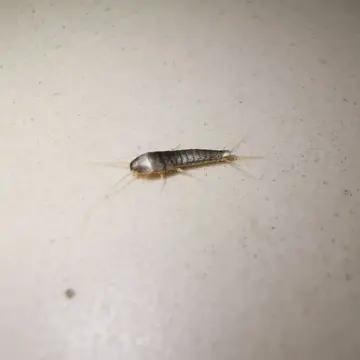 SilverfishHarmlessCommon · 26 records
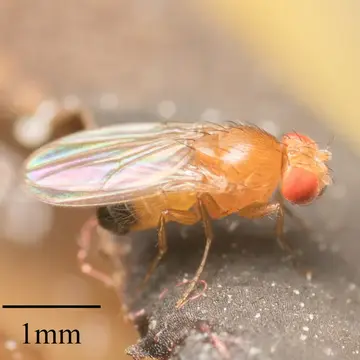 Fruit flyHarmlessCommon · 26 records
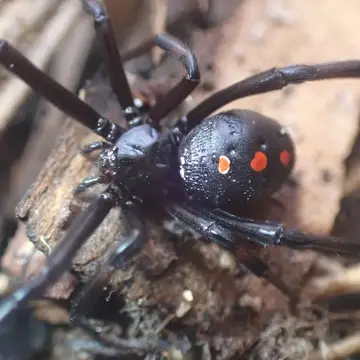 Northern black widowGet adviceEstablished · 16 records
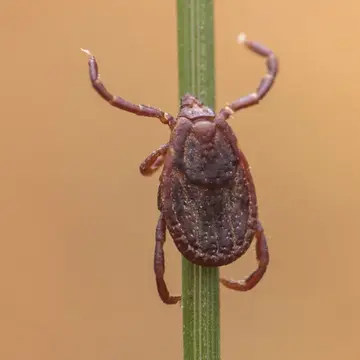 Brown dog tickGet adviceEstablished
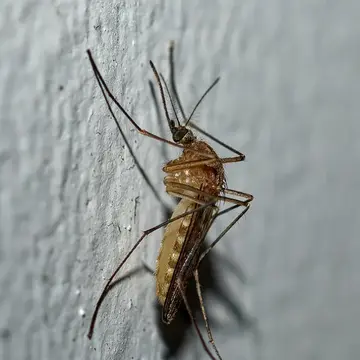 House mosquitoBe carefulEstablished
What to watch for in Vermont
The blacklegged tick and the American dog tick are both established and heavily recorded in Vermont. The blacklegged tick can spread Lyme disease and several other serious infections, and nymphs peak in late spring and early summer. The American dog tick can spread Rocky Mountain spotted fever and tularemia. The brown dog tick is listed as established, and the lone star tick has a few records but is not known to live here.
The northern black widow is established, though it has few records. Get medical advice right away for a suspected bite from an adult female, which can bring spreading pain and cramps, and call Poison Help at 1-800-222-1222 if you are worried. Among the Be-careful species, yellow garden spiders, dark fishing spiders, eastern yellowjackets, eastern carpenter bees and European paper wasps are the ones most often found around Vermont houses.
Through the year
- Spring
- Blacklegged tick adults peak in spring, and Asian lady beetles that wintered inside try to get back out on warm days.
- Summer
- Dark fishing spiders are around in spring and summer, yellowjacket nests grow, and blacklegged tick nymphs peak in early summer.
- Fall
- Asian lady beetles, western conifer seed bugs, boxelder bugs and brown marmorated stink bugs move in between late August and November, and blacklegged tick adults have a second peak.
- Winter
- Lady beetles and stink bugs stir on warm days, house centipedes and silverfish are found all year, and blacklegged ticks can be active in any month above freezing.
Seen now and then
Recorded a few times; often brought in on plants, firewood or luggage.
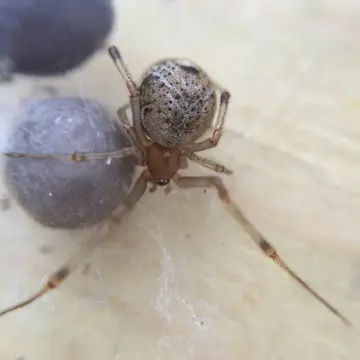 Common house spiderHarmlessOccasional · 20 records
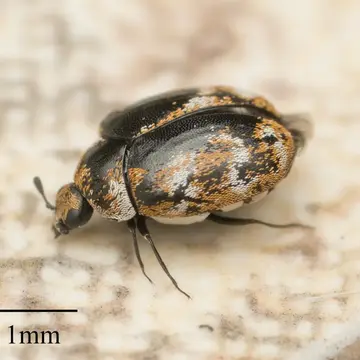 Varied carpet beetleHarmlessOccasional · 20 records
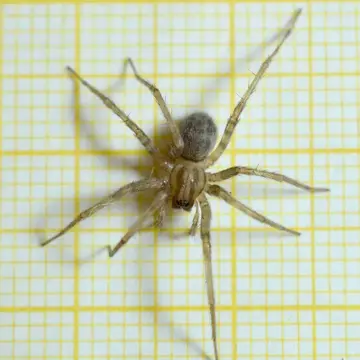 Barn funnel weaverHarmlessOccasional · 16 records
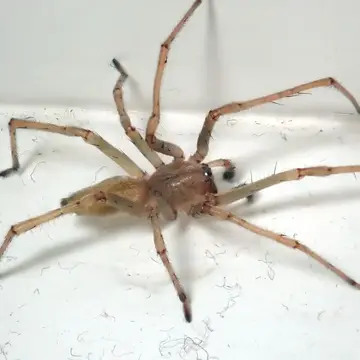 Northern yellow sac spiderBe carefulOccasional · 11 records
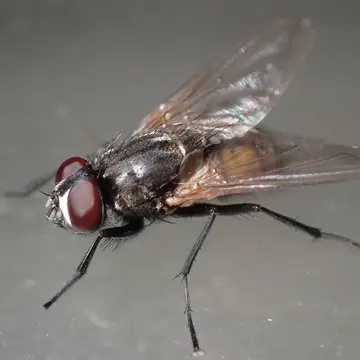 House flyBe carefulOccasional · 10 records
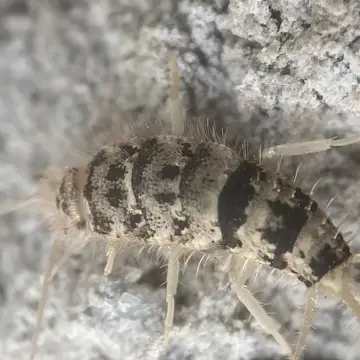 FirebratHarmlessOccasional · 9 records
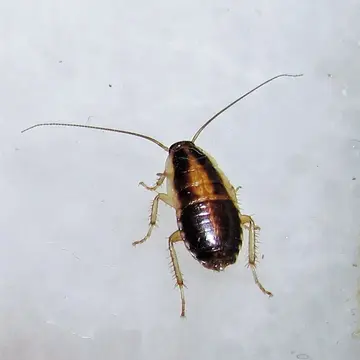 German cockroachBe carefulOccasional · 7 records
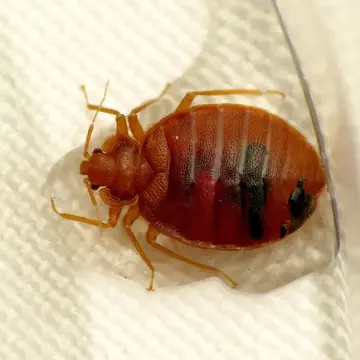 Bed bugBe carefulOccasional · 6 records
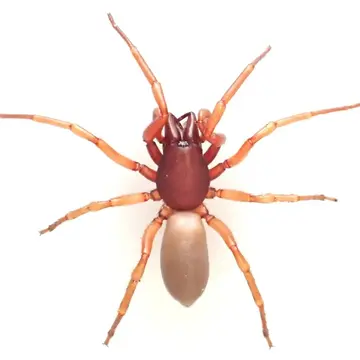 Woodlouse spiderHarmlessOccasional · 5 records
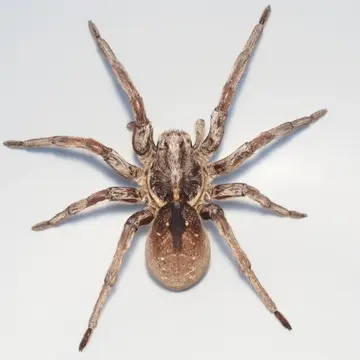 Carolina wolf spiderBe carefulOccasional · 4 records
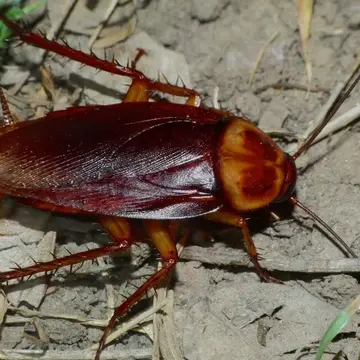 American cockroachBe carefulOccasional · 3 records
Recorded, not established
Range maps don't place these here, but people have recorded them. Usually hitchhikers.
Lists come from research-grade iNaturalist sightings (Vermont: 404,749 arthropod records) and, for dangerous species, published range maps. A species with few records may be a hitchhiker. Counts pulled Oct 18, 2026.