
Bugs and spiders in New Hampshire
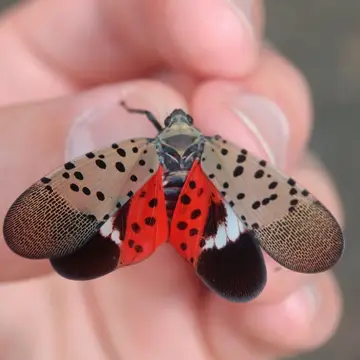
In New Hampshire the Asian lady beetle is the most-recorded species, and the American dog tick is close behind. Western conifer seed bugs, eastern carpenter bees and yellow garden spiders follow. Cockroaches and bed bugs are only Occasional, and the spotted lanternfly has records but is not known to be established.
Get advice if bitten
These are found in New Hampshire. If you think one bit or stung you, call Poison Help at 1-800-222-1222; call 911 for trouble breathing or swelling.
Common in New Hampshire
Established here or recorded often, most-recorded first.
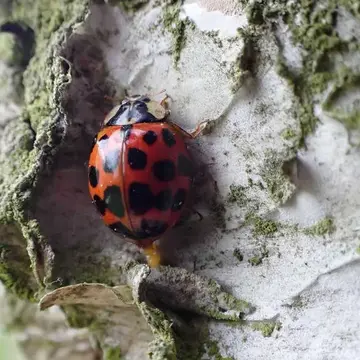 Asian lady beetleBe carefulCommon · 2,120 records
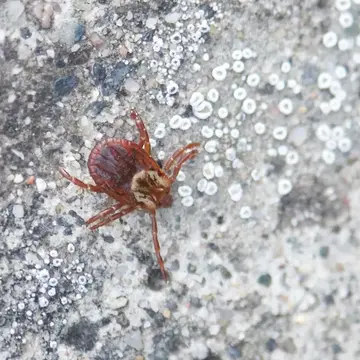 American dog tickGet adviceEstablished · 938 records
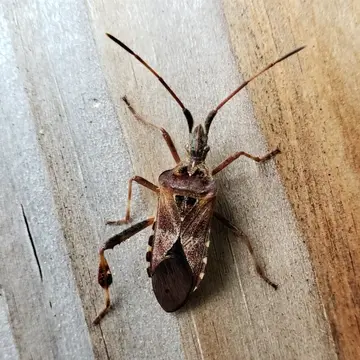 Western conifer seed bugHarmlessCommon · 874 records
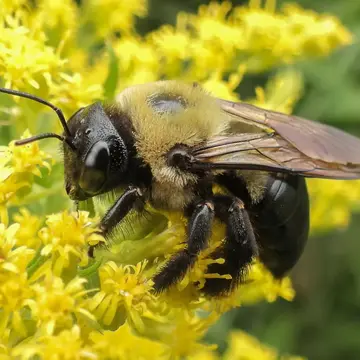 Eastern carpenter beeBe carefulCommon · 514 records
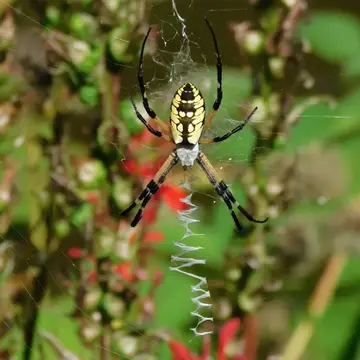 Yellow garden spiderBe carefulCommon · 510 records
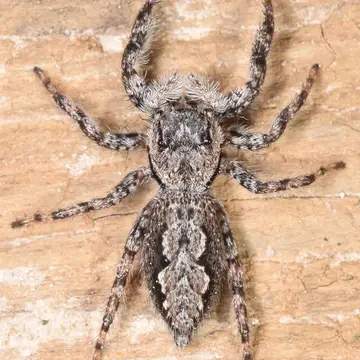 Tan jumping spiderHarmlessCommon · 472 records
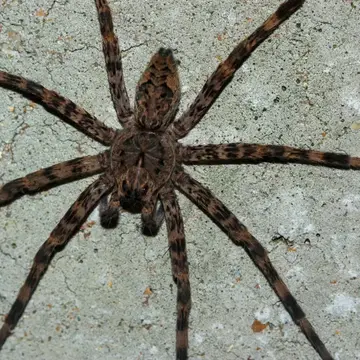 Dark fishing spiderBe carefulCommon · 461 records
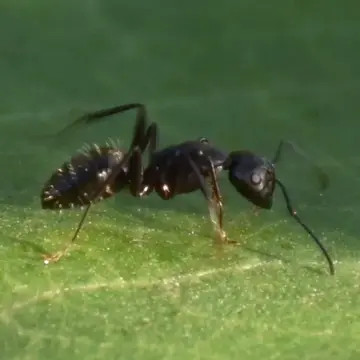 Black carpenter antHarmlessCommon · 388 records
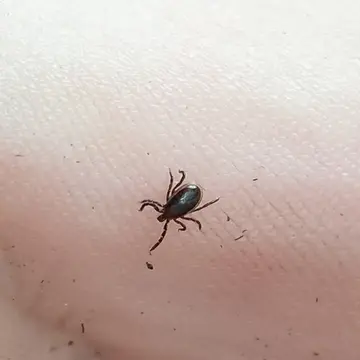 Blacklegged tickGet adviceEstablished · 371 records
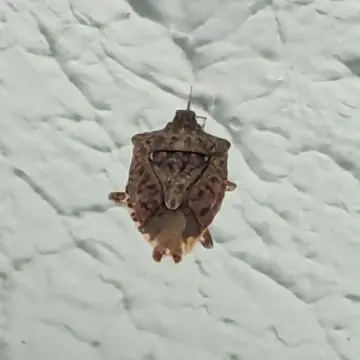 Brown marmorated stink bugHarmlessCommon · 337 records
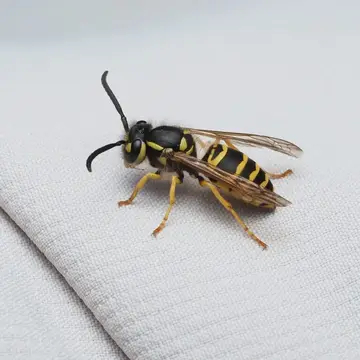 Eastern yellowjacketBe carefulCommon · 311 records
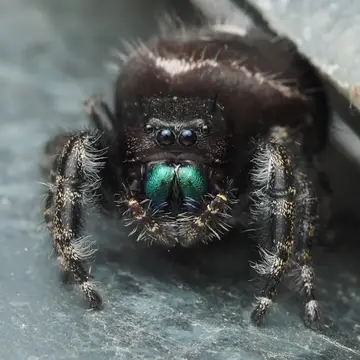 Bold jumping spiderHarmlessCommon · 262 records
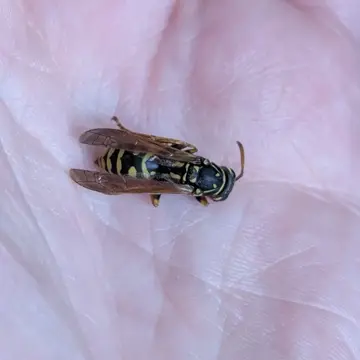 European paper waspBe carefulCommon · 218 records
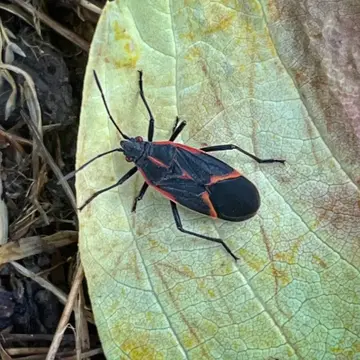 Boxelder bugHarmlessCommon · 173 records
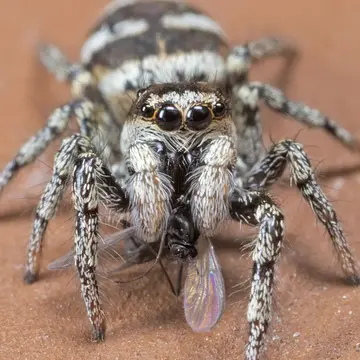 Zebra jumping spiderHarmlessCommon · 155 records
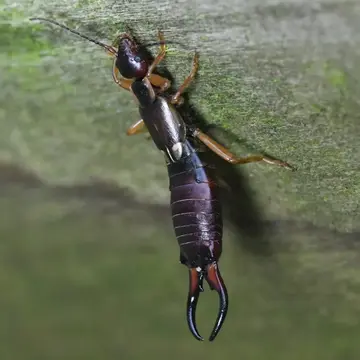 European earwigHarmlessCommon · 124 records
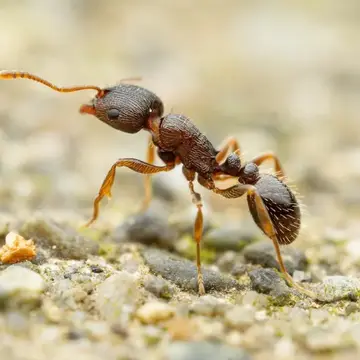 Pavement antHarmlessCommon · 106 records
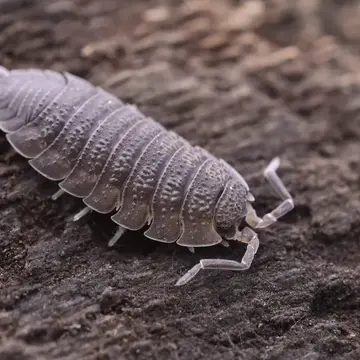 Rough sowbugHarmlessCommon · 98 records
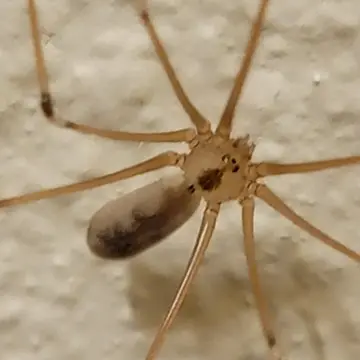 Long-bodied cellar spiderHarmlessCommon · 58 records
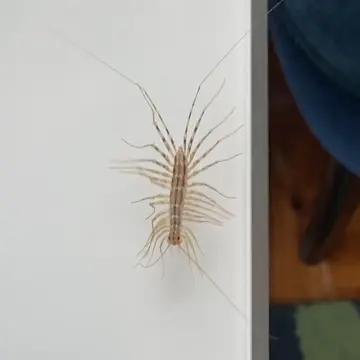 House centipedeBe carefulCommon · 56 records
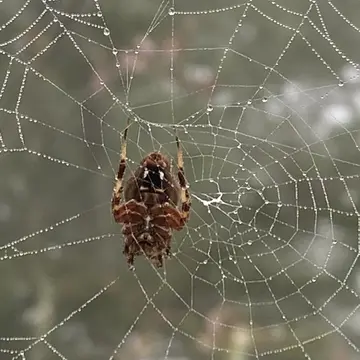 Spotted orbweaverHarmlessCommon · 51 records
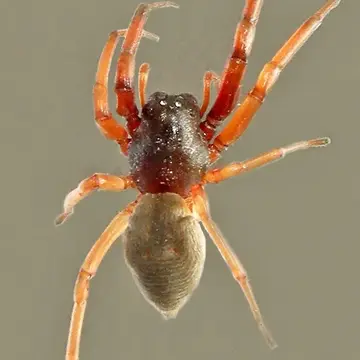 Broad-faced sac spiderBe carefulCommon · 47 records
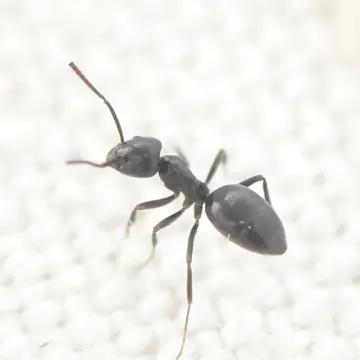 Odorous house antHarmlessCommon · 47 records
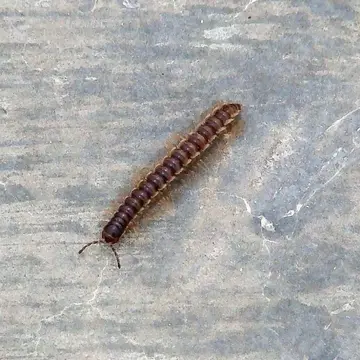 Greenhouse millipedeHarmlessCommon · 37 records
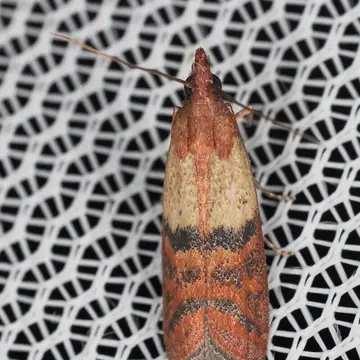 Indianmeal mothHarmlessCommon · 25 records
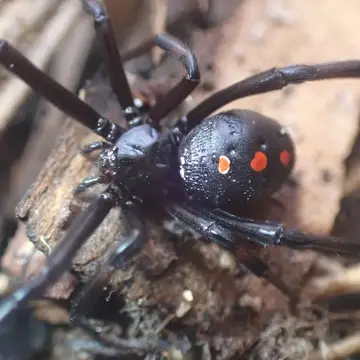 Northern black widowGet adviceEstablished
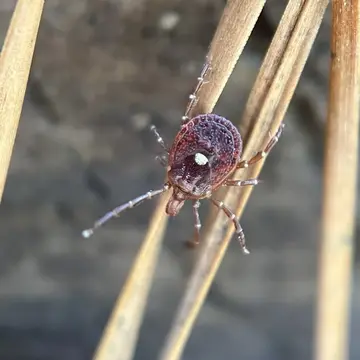 Lone star tickGet adviceEstablished
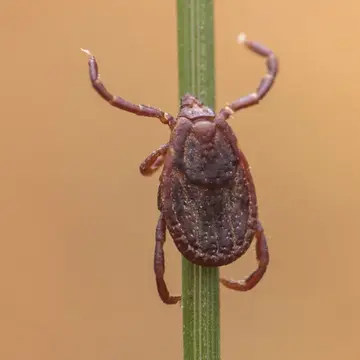 Brown dog tickGet adviceEstablished
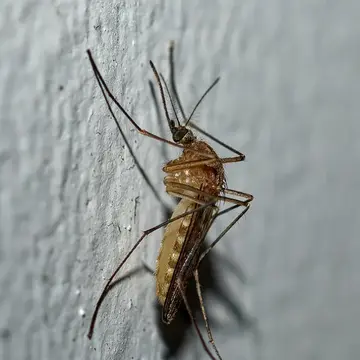 House mosquitoBe carefulEstablished
What to watch for in New Hampshire
Ticks deserve the most attention. The American dog tick and the blacklegged tick are both established and well recorded. The blacklegged tick can spread Lyme disease and several other serious infections, and the American dog tick can spread Rocky Mountain spotted fever and tularemia. The lone star tick and the brown dog tick are also listed as established, though we have no photo records for either here. Rash or fever after any tick bite is worth mentioning to a doctor.
The northern black widow is listed as established with no photo records in the state. A suspected bite means getting medical advice right away, and Poison Help at 1-800-222-1222 can help if you are worried. Among the Be-careful species, eastern yellowjackets, European paper wasps, eastern carpenter bees and dark fishing spiders are the ones most often met, along with the house centipede in basements.
Through the year
- Spring
- American dog ticks become active by about April, and carpenter bees return to drill, while overwintered lady beetles head back outside.
- Summer
- Blacklegged tick nymphs peak in early summer, and yellowjacket colonies grow near food and trash.
- Fall
- Western conifer seed bugs and brown marmorated stink bugs arrive in September and October, Asian lady beetles in October and November, and boxelder bugs from late August.
- Winter
- Expect the odd lady beetle or stink bug on warm days, and house centipedes, which turn up indoors all year.
Seen now and then
Recorded a few times; often brought in on plants, firewood or luggage.
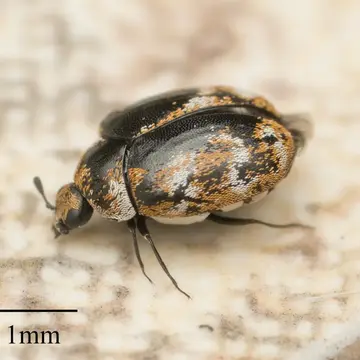 Varied carpet beetleHarmlessOccasional · 23 records
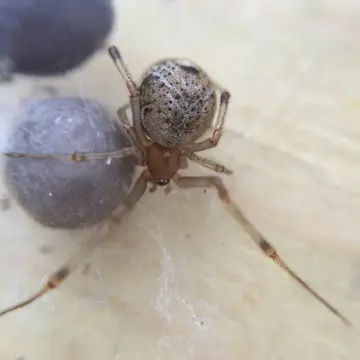 Common house spiderHarmlessOccasional · 21 records
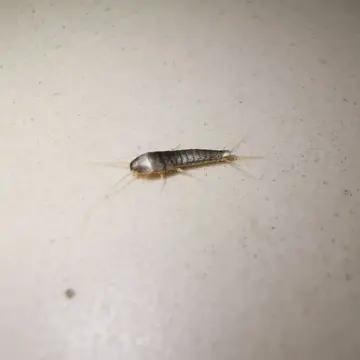 SilverfishHarmlessOccasional · 15 records
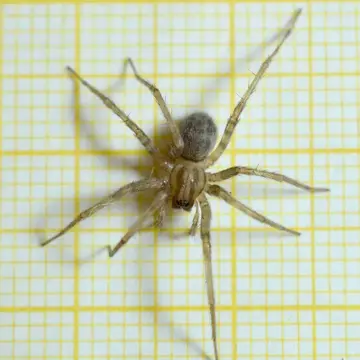 Barn funnel weaverHarmlessOccasional · 12 records
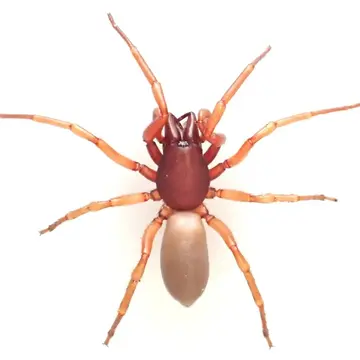 Woodlouse spiderHarmlessOccasional · 9 records
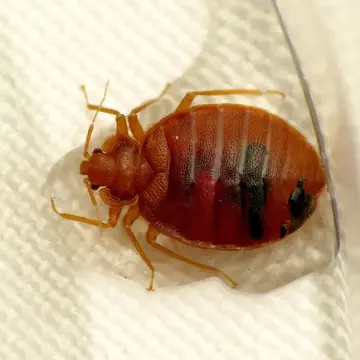 Bed bugBe carefulOccasional · 9 records
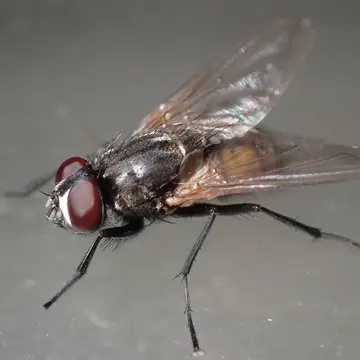 House flyBe carefulOccasional · 7 records
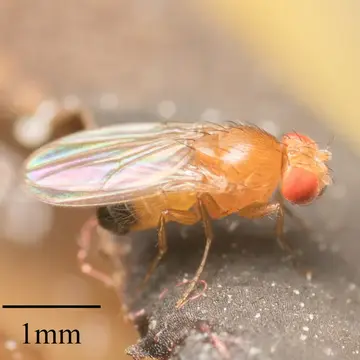 Fruit flyHarmlessOccasional · 7 records
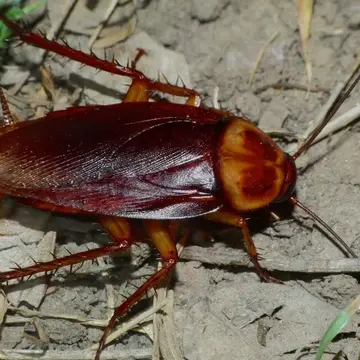 American cockroachBe carefulOccasional · 6 records
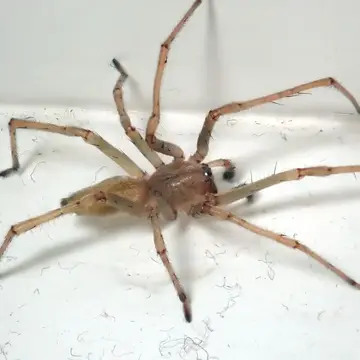 Northern yellow sac spiderBe carefulOccasional · 4 records
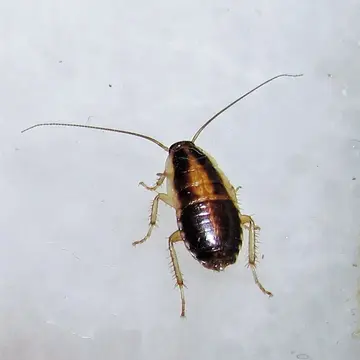 German cockroachBe carefulOccasional · 3 records
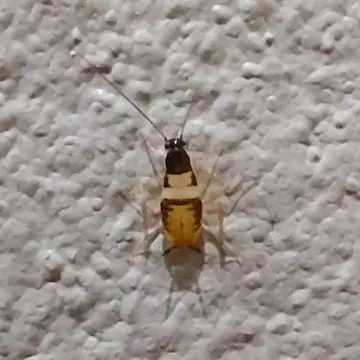 Brown-banded cockroachBe carefulOccasional · 3 records
Recorded, not established
Range maps don't place these here, but people have recorded them. Usually hitchhikers.
Lists come from research-grade iNaturalist sightings (New Hampshire: 194,957 arthropod records) and, for dangerous species, published range maps. A species with few records may be a hitchhiker. Counts pulled Oct 18, 2026.