
Fall invaders
From about late August into November, insects that spend summer outdoors move into houses to wait out the cold. They don't breed inside or hurt the house, but they can show up by the hundreds.
The fall invaders
12 kinds, most dangerous first. Tap one for photos, the danger rating and what to do.
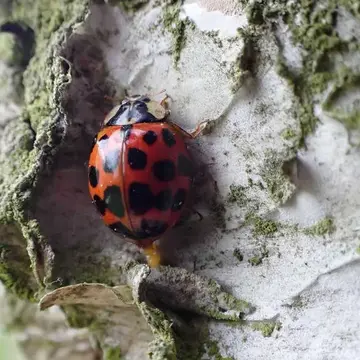 Asian lady beetleBe careful
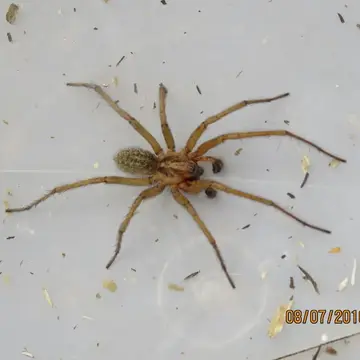 Hobo spiderBe careful
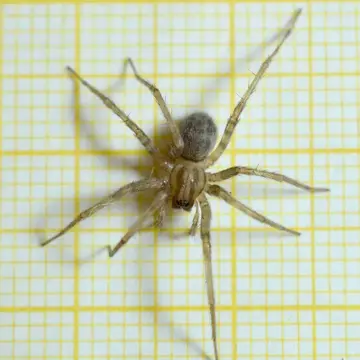 Barn funnel weaverHarmless
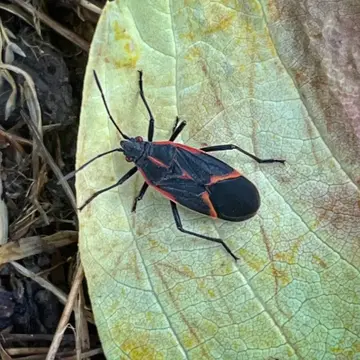 Boxelder bugHarmless
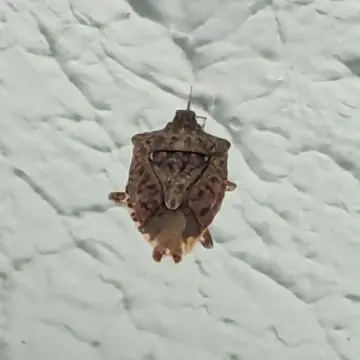 Brown marmorated stink bugHarmless
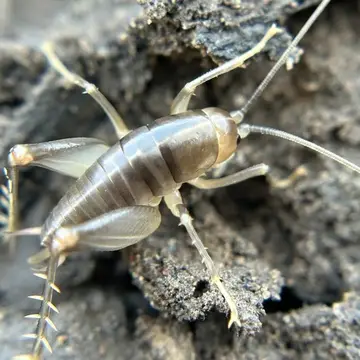 Camel crickets (native)Harmless
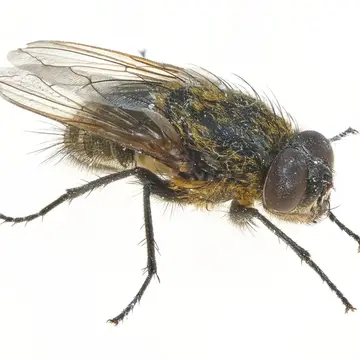 Cluster flyHarmless
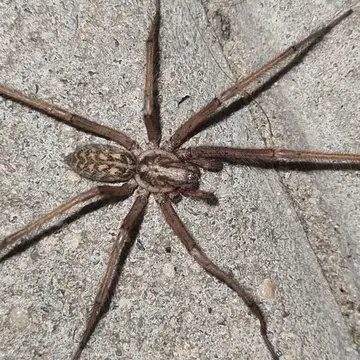 Giant house spiderHarmless
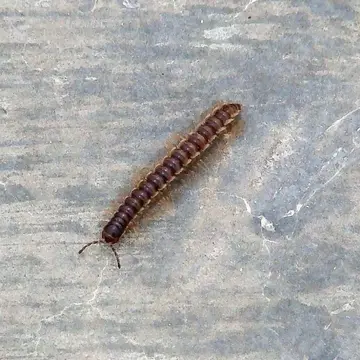 Greenhouse millipedeHarmless
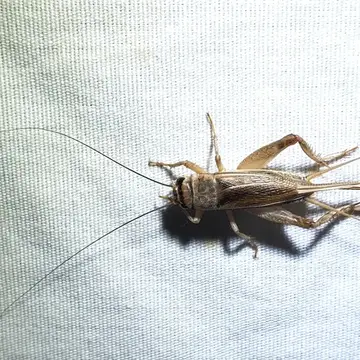 House cricketHarmless
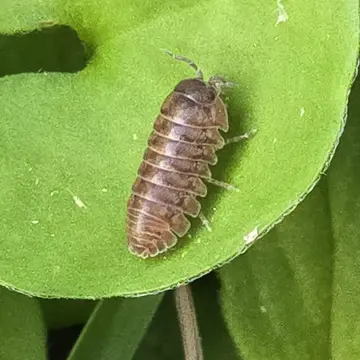 Pill bugHarmless
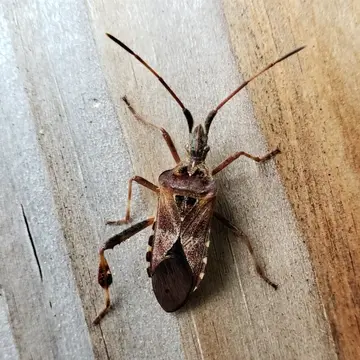 Western conifer seed bugHarmless
Why they move in
Asian lady beetles, brown marmorated stink bugs, boxelder bugs, western conifer seed bugs and cluster flies all spend the winter as adults in a sheltered spot. Outdoors that might be under bark or in rock crevices. A house does the job better, especially the sunny south and west walls, which warm up in the afternoon and draw them in.
Most of them get into wall voids and attics, not the living space. On warm winter days, and again in early spring, some wander toward the light and end up inside rooms, which is why people often notice them in February or March.
Keeping them out
- Seal gaps before they arrive. Late summer, by the end of August, is the time to caulk around windows, siding, fascia boards and pipes.
- Repair screens, including attic and soffit vents.
- Vacuum the ones that get inside and empty the bag outdoors. Crushing stink bugs and lady beetles releases a smell, and lady beetles can stain.
- Skip sprays inside wall voids. Dead insects in the walls can draw carpet beetles that feed on them.
- Be patient in spring. Most leave on their own as the weather warms.
Other fall arrivals
Crickets, camel crickets, pill bugs and millipedes move toward foundations as soil cools and may come in under doors. Male giant house spiders and hobo spiders wander in late summer and fall looking for mates, so more spiders on the floor in September doesn't mean an infestation.